Reviewed By: Francisco A. Folgar, MD
Our eyes are critical in helping us see the world clearly. However, when something goes wrong with our vision, especially the retina, it can affect our quality of life. The retina is a key part of the eye, it captures the light that helps us see and sends those signals to the brain, making it crucial to understand what does a retina specialist do in order to preserve vision. As with any other part of the body, the retina can develop problems over time. That’s when a retina specialist is needed.
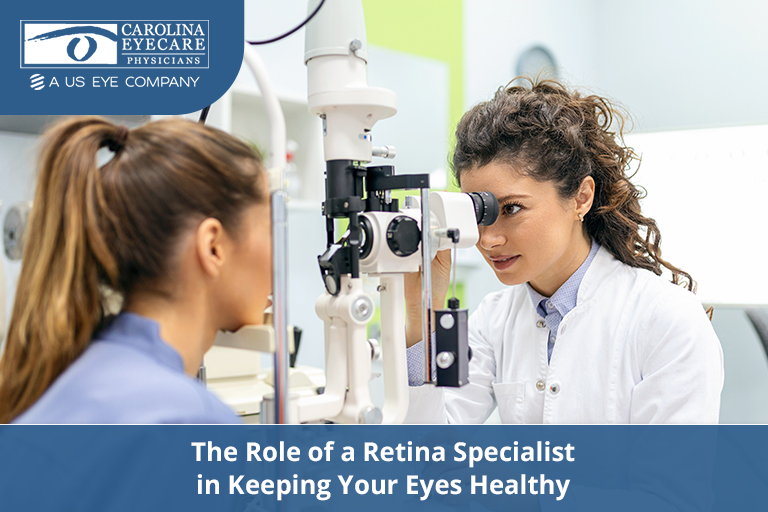
These specialized ophthalmologists are trained to diagnose and care for your retina. Let’s dive into what a retina specialist does, why they’re important, and how they help keep your eyes healthy through retinal preservation and treatment.
Table of Contents
What Is a Retina Specialist?
You might be wondering, what does a retina specialist do (sometimes referred to as a retina or vitreoretinal surgeon)? Simply put, they’re ophthalmologists who completed a two-year fellowship focusing specifically on the retina, the back layer of the eye that captures light and sends those signals to the brain. They’re experts at diagnosing and treating all sorts of retina conditions, including macular degeneration, floaters, retinal tears, and detachments, as well as providing specialized care for Charleston retinal tear surgery and other complex retinal conditions such as South Carolina retinal detachment surgery.
Common Retinal Conditions
1. Age-Related Macular Degeneration: This condition affects senior adults. It happens when the macula (the part of the retina responsible for sharp, central vision) breaks down. This can make everyday tasks like reading or driving difficult.
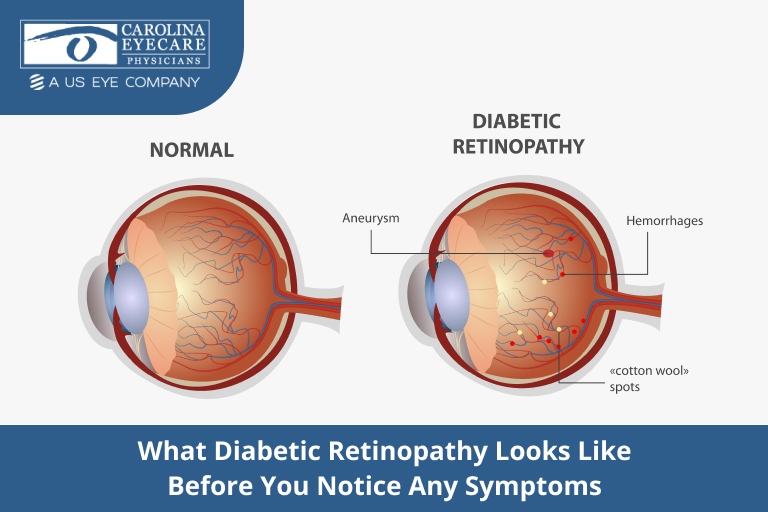
2. Diabetic Retinopathy: If you have diabetes, you’re at risk for this condition. It happens when high blood sugar damages the blood vessels in your retina. This damage can cause bleeding, retinal swelling, blurry vision, and, if left untreated, can lead to blindness. 7.7 million Americans currently have diabetic retinopathy, and that number is expected to rise to 11.3 million by 2030.
3. Retinal Detachment: This is when the retina pulls away from the back of the eye. It sounds scary because it is—it can to anyone at any time and lead to permanent vision loss if not treated in a timely fashion. If this happens, you’ll need a retina surgeon to perform surgery to reattach the retina and save your vision.
Why Is Early Diagnosis So Important?
One important thing to know about retina conditions is that many don’t cause noticeable symptoms immediately, which is why it’s essential to understand when to see a retina specialist to prevent long-term vision loss. You might not realize something is wrong until the damage has already been done.
A vitreoretinal surgeon has advanced tools to look at the back of your eye and catch problems early before they cause major vision loss, such as identifying issues like a retinal tear that may require Charleston retinal tear surgery and Charleston retinal detachment surgery. Whether it’s macular degeneration, diabetic retinopathy, or a retinal tear; catching these conditions early gives you the best chance to preserve your sight with specific retinal treatments.
How Do Retina Specialists Treat Retinal Conditions?
Once you’ve been diagnosed with a retinal condition, your doctor will discuss treatment options. Here are some of the most common treatments that a retina surgeon might recommend:
1. Laser Retinopexy for Retinal Tears
For conditions like retinal tears, an in-office laser procedure is used to seal the retina from the water in your eye to prevent retinal detachment. The scar formed from the laser prevents fluid from passing through the tear and under the retina preventing a more serious retinal detachment.
2. Pneumatic Retinopexy
If a retinal tear leads to a small retinal detachment, this procedure involves injecting a gas bubble into the eye to keep any additional water from getting under the retina. Afterward, you must maintain a specific head position for a day or two until the retina naturally absorbs the fluid and self-reattaches the retina. Thereafter, a laser retinopexy can be performed to seal the retina to prevent the reentry of water under the retina. Over time, the gas bubble will dissolve on its own.
3. Scleral Buckle
In some cases of retinal detachment, a scleral buckle may be recommended. This involves placing a flexible band around the eye to gently push the sclera (the white part of your eye) to the retina to seal the retinal break. During the procedure, fluid under the detached retina is often drained. Once the retina is back in position, laser or cryotherapy (freezing of the eye) is performed to seal the tear. The surgery is performed in an operating room under anesthesia.
4. Vitrectomy
A vitrectomy is the first step of nearly all retinal surgeries (with the exception of a scleral buckle). In this surgery, the vitreous gel, which fills everyone’s eye, is removed with a highly sophisticated vitrector and replaced with a saline solution. For patients with floaters, this is the only procedure done; however, those with more extensive pathology will have other procedures performed at the same time. For instance, for those with a large retinal detachment requiring surgery, after the vitrectomy, they will have all of the fluid drained from within the eye and under the retina to resolve the detachment and replaced with a gas bubble. Laser is applied around any retina breaks to prevent further detachment. The gas bubble “waterproofs” the retina while the laser heals over the next 5-7 days. The bubble is slowly absorbed by the eye over a matter of weeks. With a bubble, patients cannot fly or SCUBA dive, and they may be required to main in certain head positions (e.g. facedown).
Carolina Eyecare’s expert team ensures that every treatment is personalized and performed precisely, using the latest technology to protect and preserve your vision.
Preventing Retinal Diseases
While some retina conditions are due to aging or genetics, others can be prevented or managed with proper care. Here are a few things you can do to help in avoiding retinal diseases and keeping your retina healthy:
1. Get Regular Eye Exams
Especially as you get older or if you have a condition like diabetes, regular retinal eye exams can help catch problems early. Seeing an eye doctor for retina problems before they become serious can make a huge difference in maintaining good vision.
2. Manage Health Conditions
Controlling diabetes or high blood pressure is essential for protecting your eyes. High blood sugar and high blood pressure can damage the blood vessels in your eyes, leading to conditions like diabetic retinopathy or retinal vein occlusions.
3. Eat a Healthy Diet
Foods that are good for your eyes include those that are high in antioxidants like leafy greens, blueberries, carrots, and fish. The research often refers to a Mediterranean diet as being the most advantageous to decrease the risk of retinal pathology.
4. Don’t Smoke
Smoking increases your risk for all kinds of health problems, including macular degeneration. Smoking alone increases the risk of developing age-related macular degeneration by 400%! Smoking can also delay healing times from other ocular injuries or diseases. If you smoke, quitting is one of the best things you can do for your eye health.
When Should You See a Retina Specialist?
If you notice any changes in your vision—like seeing floaters, flashes of light, or dark spots—it’s a good idea to see a retina surgeon immediately. If you are unable to see a retinal specialist, you can see your comprehensive ophthalmologist or your optometrist. These can be signs of retina conditions, and the sooner you get them checked out, the better your chances of retina preservation and treatment.

Even if you don’t notice any issues, regular eye exams are a must, especially as you get older or if you have conditions like diabetes that put you at risk for retina conditions.
Ready to See a Retinal Ophthalmologist?
At Carolina Eyecare Physicians, we specialize in helping you maintain healthy vision through cutting-edge diagnostics and personalized care for a wide range of retinal conditions. Whether you’re dealing with macular degeneration, floaters, diabetic retinopathy, or a retinal tear; our retina surgeons are here to provide expert care.
For more information on retinal diagnostics and treatment, schedule an appointment with one of our providers at Carolina Eyecare Physicians. We serve patients across Charleston County (Summerville, Nexton, North Charleston, West Ashley, Mt. Pleasant), Bluffton, Lady’s Island, Walterboro, and Murrells Inlet, and are dedicated to giving your eyes the best care possible. Book your appointment now.
FAQs
What to expect at a retina specialist?
At a Charleston retinal diagnosis appointment, you can expect a thorough examination, including advanced imaging tests, to assess the health of your retina. The retina specialist will discuss your condition and recommend the best course of treatment.
Why would you be referred to a retina specialist?
You might be referred to a retina specialist if your primary care doctor suspects you have a retinal issue, such as a retinal tear, diabetic retinopathy, or macular degeneration. These specialists are trained to provide the highest level of care for complex retinal conditions.
Is an ophthalmologist a retina specialist?
Not all ophthalmologists are retina specialists. A retina specialist is an ophthalmologist who has completed additional training focused on diagnosing and treating retinal conditions. They are experts in areas like Charleston retinal detachment surgery and other advanced treatments for retina health.
**The information in this blog is for general informational purposes only. Always seek advice from a qualified eye care professional regarding any medical concerns or treatment options specific to your condition.**