Reviewed By: Dr.Lowrey P. King, MD
When you have diabetes, you already have plenty to manage. An eye appointment may not feel urgent, especially when you can still read, drive, and see clearly.
But clear vision does not always mean your retina is healthy. Diabetes can damage the blood vessels inside your eyes before you notice a problem.
If you’re looking for diabetic retinopathy treatment in Charleston, SC, I want to help you understand your options without overwhelming you with medical terms. Here’s what you should know about symptoms, eye exams, and treatment.
Table of Contents
What Is Diabetic Retinopathy?
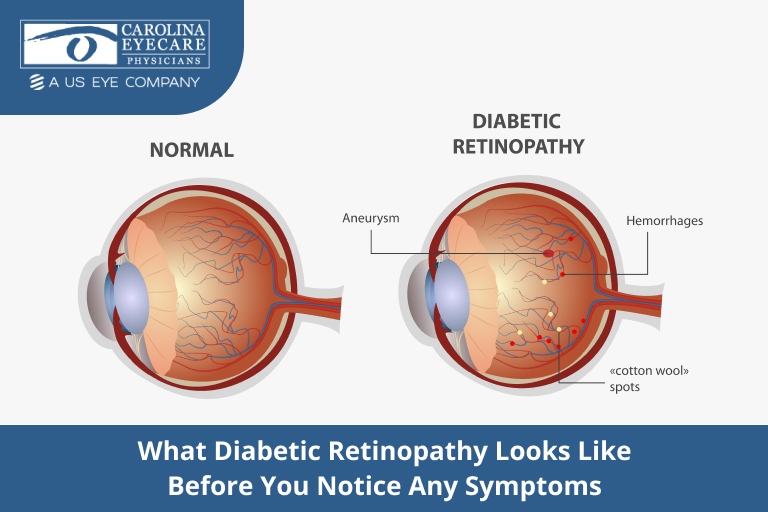
Diabetic retinopathy is damage to the small blood vessels in the retina. The retina sits at the back of your eye and helps turn light into the images you see.
Over time, high blood sugar can damage these vessels. They may leak fluid or blood, or become blocked. In more advanced disease, fragile new blood vessels can grow and bleed.
I also look for swelling in the center of the retina, called diabetic macular edema. This swelling can make reading, recognizing faces, and seeing fine details more difficult.
You do not need to remember every medical term. What matters is knowing whether your retina has damage, whether swelling is present, and when you need your next examination.
What Diabetic Retinopathy Symptoms Should You Watch For?
Early diabetic retinopathy often has no symptoms. You may feel that your eyes are fine even when an examination shows changes.
As the condition gets worse, diabetic retinopathy symptoms may include:
- Blurry vision.
- Vision that changes from day to day.
- New dark spots or floating strings.
- Trouble reading or seeing details.
- Dark or missing areas in your vision.
These symptoms can have several causes, so an examination is important. I would not recommend assuming that a change is simply related to your glasses or blood sugar.
Sudden vision loss, many new floaters, flashes of light, or a curtain-like shadow need immediate eye care. If you cannot reach an eye specialist promptly, seek emergency care.
You can learn more about diabetic eye problems and warning signs.
When Do You Need a Diabetic Eye Exam?
A diabetic eye exam checks for damage inside your eyes, even when your vision seems normal. A basic vision check or new glasses prescription does not replace this examination.
The timing of your first examination depends on the type of diabetes you have.
| Your situation | When to have an eye exam |
| Adult with type 1 diabetes | Within five years of diagnosis. |
| Adult with type 2 diabetes | At diagnosis or soon afterward. |
| Previous exams show no retinopathy | Usually yearly; your eye doctor may recommend a longer interval in selected cases. |
| Retinopathy is already present | At least yearly, and often more frequently depending on the findings. |
I decide how often you need follow-up visits based on your examination results. If I find swelling, bleeding, or other concerning changes, you may need closer monitoring.
If you develop new symptoms, contact your eye doctor rather than waiting for your next scheduled visit.
For additional information, explore this guide to diabetic eye exams and screening.
What Happens During the Exam?
I check your vision and examine the retina, usually after eye drops widen your pupils. These drops help me see the back of your eye more clearly.
I may also recommend a scan called OCT. It takes detailed pictures that help show swelling in the retina.
Sometimes, another imaging test uses dye to show where blood vessels leak or become blocked. You will not necessarily need every test. I recommend testing based on what your examination shows.
What Are the Options for Diabetic Retinopathy Treatment in Charleston, SC?
Treatment depends on how much damage is present and whether your vision is at risk. Some people need regular monitoring. Others need injections, laser treatment, or surgery.
My goal is to protect your remaining vision and treat problems that could make it worse. Some treatments can improve vision, but they cannot reliably reverse permanent damage.
When Is Monitoring Enough?
If the changes are mild and your vision is not threatened, I may recommend regular examinations without an immediate procedure.
Monitoring does not mean ignoring the condition. It helps me identify changes early and decide when treatment becomes necessary.
Your diabetes care also matters. Work with your medical team to manage blood sugar, blood pressure, and cholesterol. Keep your eye appointments even when these numbers improve.
How Do Eye Injections Help?
Eye injections deliver medicine directly into the eye. Commonly used medicines, called anti-VEGF drugs, help reduce leaking blood vessels, retinal swelling, and abnormal vessel growth.
Before an injection, the eye is cleaned and numbed. I explain the procedure and what to expect afterward.
You may need a series of injections rather than a single treatment. The schedule depends on how your eye responds.
For some patients, steroid medicines offer another option. These require monitoring because they can increase eye pressure and contribute to cataracts.
When Is Laser Treatment Used?
Laser treatment can help control abnormal blood vessels or treat selected areas of leakage.
The type of laser treatment depends on the problem. Some treatments target leaking areas; others treat a wider area to reduce abnormal vessel growth.
Before recommending lasers, I explain its benefits and possible side effects. These can include changes in side vision or night vision.
When Might Surgery Be Needed?
I may recommend surgery called vitrectomy when bleeding does not clear or scar tissue pulls on the retina.
This operation removes blood and the gel inside the eye so the surgeon can treat the affected area.
Surgery addresses specific complications. You will still need follow-up visits and ongoing diabetes care afterward.
When Should You See a Retina Specialist for Diabetes?
Your eye doctor may refer you to a retina specialist for diabetes if you have retinal swelling, bleeding, advanced disease, or vision changes that need further evaluation.
A referral does not automatically mean you need surgery. It means your eyes need a closer assessment and a treatment plan suited to your condition.
At your appointment, I explain what I find, whether treatment is necessary, and when you should return. Bring previous eye records or scans if you have them.
You can learn more about my training and retinal care background on my physician profile.
Pro Tip: Ask These Three Questions
Before leaving your appointment, make sure you know:
- How much damage is present?
- Is there swelling affecting my central vision?
- When should I return?
Bring your medication list and recent A1C results, too. This helps connect your eye care with your overall diabetes care.
FAQs
Should I Have an Eye Exam Before Pregnancy?
If you have type 1 or type 2 diabetes, arrange an eye exam before pregnancy or early in pregnancy. You may need additional monitoring, so tell your eye doctor if you are pregnant or planning pregnancy.
Can I Drive After My Eyes Are Dilated?
Dilation can blur your vision and make bright light uncomfortable for several hours. Arrange a ride if you are unsure how the drops affect you. Do not drive until you can see safely.
Do I Still Need Follow-Up if My Vision Improves?
Yes. Better vision does not always mean the disease has stopped. Follow-up visits help me check your response to treatment and identify problems that return.
Protect Your Vision Before You Notice a Change
The most useful step you can take is to keep your eye examination on schedule. If you already have retinopathy, understand your follow-up plan and contact your eye doctor about new symptoms.
If you’re seeking diabetic retinopathy treatment in Charleston, SC, request an appointment to discuss your eye health and options. Sudden vision changes need immediate attention rather than a routine appointment request.