Reviewed By: Robert G. Reuther, MD
In most cases, laser cataract surgery lasts a lifetime. Once the cloudy natural lens is removed and replaced with a durable artificial intraocular lens (IOL), cataracts cannot grow back. For most patients, the results are permanent, although vision changes may occur later in life due to other eye conditions or normal aging. Understanding how long laser cataract surgery lasts can help you know what to expect from your procedure and long-term vision health.
Cataract surgery is one of the most effective and commonly performed eye surgeries in the United States. But can cataracts come back in certain cases? If you’re preparing for laser cataract surgery, it’s natural to wonder about the longevity of the results. Many patients ask, “Is cataract surgery permanent?” or “Does cataract surgery last forever?” For most people, the answer is yes, because the replacement lens is designed to provide lasting vision correction. Will this be a one-time procedure, or will you need follow-ups? Let’s explore how long cataract surgery lasts, why it’s considered permanent for most patients, and how the advancements at Carolina Eyecare Physicians make the experience even better.
Table of Contents
What Happens During Laser Cataract Surgery?
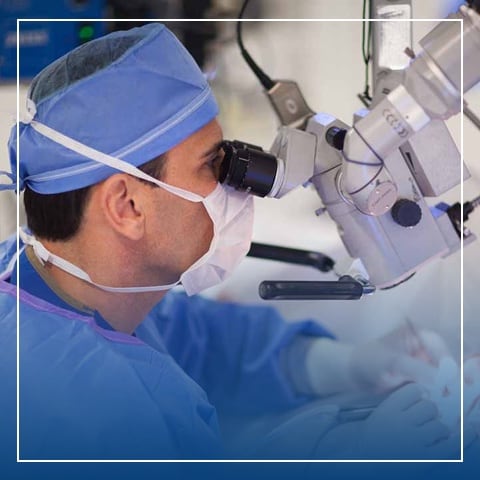
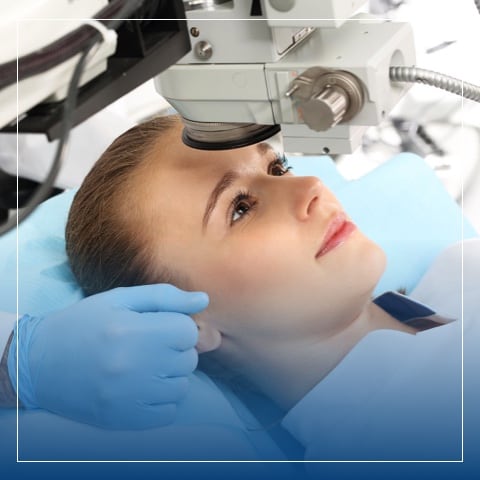
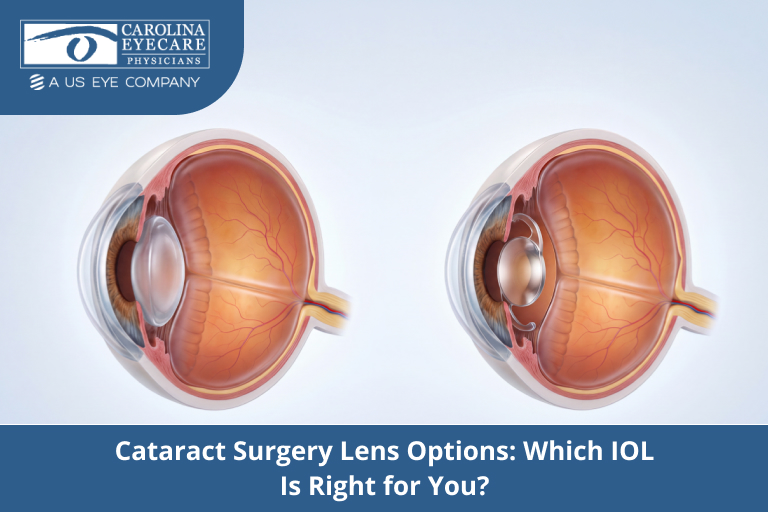
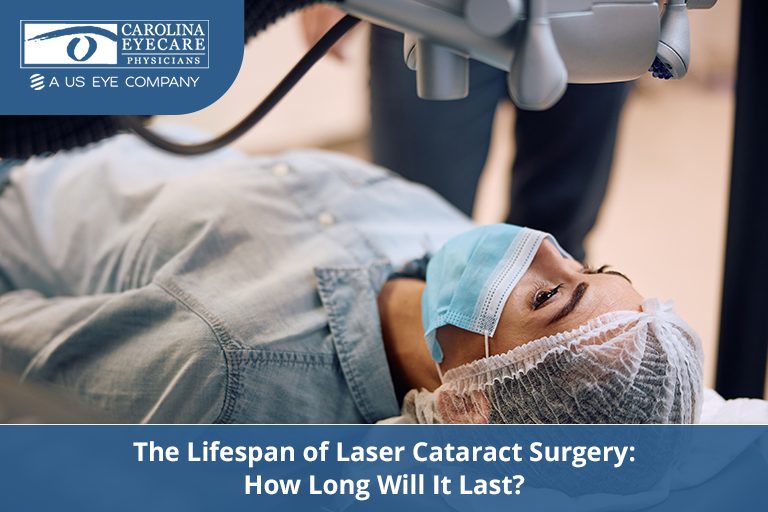
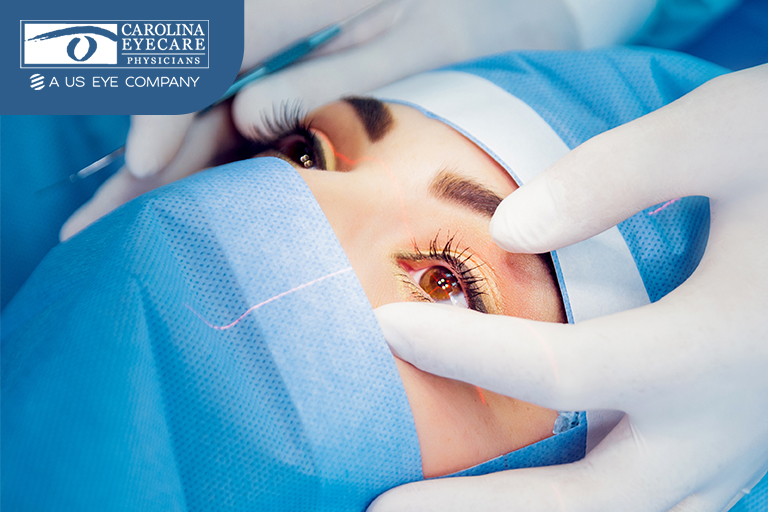
Before getting into how long the effects last, it’s important to understand what laser cataract surgery involves. Cataracts occur when the natural lens in your eye becomes cloudy, affecting your ability to see clearly. Laser cataract surgery uses advanced technology to make precise incisions and remove the cloudy lens. The process is straightforward and involves replacing the affected lens with an artificial one called an intraocular lens (IOL).
This outpatient procedure is quick, highly effective, and tailored to your needs. Our laser cataract surgery specialists at Carolina Eyecare Physicians use advanced laser systems to ensure precise results and shorter recovery times.
Here is the video of our doctor explaining in detail what will happen during cataract surgery.
Is Laser Eye Surgery Permanent?
Patients often ask, “Does laser eye surgery last forever?” or “How long does cataract surgery last?” For laser cataract surgery, the vision correction achieved through lens replacement is considered permanent for most patients.
Once your cloudy lens is replaced with an IOL, cataracts cannot form again on the artificial lens. That means the procedure only needs to be done once in most cases.
Many patients also ask, “How long do cataract lenses last?” Modern IOLs are designed with durable materials that can remain in the eye for a lifetime without needing routine replacement.
However, as with any medical procedure, there are exceptions. Any changes in vision after surgery are usually due to unrelated conditions like age-related macular degeneration or glaucoma, which can develop later in life.
For more information, read about Natural Lens Vs. IOL Lens here, and understand how long cataract lenses last and why modern IOLs are designed for long-term vision correction.
If you are considering laser cataract surgery and want to understand your long-term options, schedule your cataract evaluation with Carolina Eyecare Physicians today.
Lifespan of Laser Cataract Surgery: Why It Lasts
For most patients, the results of laser cataract surgery are lifelong. Here’s why:
- Durability of Artificial Lenses: IOLs are crafted from durable materials like acrylic or silicone, built to last a lifetime. They are unaffected by age-related changes or wear and tear.
- RXSIGHT™ Light Adjustable Lens: At Carolina Eyecare Physicians, Dr. Kerry and Dr. Hunter go beyond standard IOLs by offering innovative options like the Light Adjustable Lens. This advanced lens technology allows patients to adjust their vision after surgery, ensuring optimal results.
Here’s what makes this technology unique:
- Customization After Surgery: Unlike traditional lenses, the Light Adjustable Lens can be fine-tuned in-office through painless light treatment procedures. This allows patients to adjust and preview their vision until it aligns perfectly with their needs and lifestyle.
- Who Can Benefit: This lens is especially beneficial for patients with preexisting astigmatism of 0.75 diopters or more or those with prior laser or corneal surgeries.
- What to Expect: Following surgery, a series of UV light treatments optimizes the lens. Patients must wear UV-blocking glasses during this period to prevent uncontrolled changes in the lens. Once the optimization process is complete, the lens is “locked in,” providing lifelong, custom-tailored vision.
Ready to learn whether laser cataract surgery is right for your long-term vision goals? Schedule a cataract evaluation with Carolina Eyecare Physicians to discuss advanced lens options and personalized treatment plans.
Surgical Expertise and Long-Term Results
- Exceptional Surgical Expertise: The expertise of the surgeons plays a critical role in the longevity of the results. Specialists like Dr. Drew Hunter, known for his expertise in cataract, laser, and refractive surgery, and Dr. Kerry D. Solomon, a pioneer in LASIK and advanced vision correction, ensure that every procedure is performed with precision and the utmost care. Their attention to detail reduces the risk of complications and enhances the success rate of the surgery.
- Low Risk of Additional Procedures: While rare, some cases might require further intervention due to complications like lens dislocation or retinal detachment. However, these situations are uncommon and unrelated to the durability of the IOL itself.
Posterior Capsule Opacification (PCO): Why Vision May Change Years Later
One potential issue is posterior capsule opacification (PCO), which affects around 20% of patients. This occurs when scar tissue develops behind the IOL, causing blurry vision similar to the original cataract symptoms.
PCO does not mean that the cataract has returned or that the artificial lens has stopped working. Instead, it is a common post-surgery change that can occur months or years after cataract surgery.
If this happens, it can be easily corrected with a quick, painless laser treatment for cataract removal called YAG laser capsulotomy. Afterward, your vision is restored without further complications.
Experiencing blurry vision after a previous cataract surgery? Contact Carolina Eyecare Physicians today to discuss your symptoms and determine if a simple YAG laser capsulotomy may help restore clearer vision.
What to Expect After Surgery
Your recovery period and long-term results depend on how well you follow post-operative care instructions. Here’s a breakdown of what happens after surgery:
- Immediate Recovery: Most patients notice an improvement in their vision within a day or two. However, full healing can take a few weeks.
- Follow-Up Appointments: Regular check-ups ensure your eye is healing properly. At Carolina Eyecare Physicians, Dr. Paul M. Herring and his team provide comprehensive care, particularly for patients with additional conditions like diabetes or glaucoma.
- Protective Measures: For a few weeks, avoid rubbing your eyes, exposure to dust, and heavy lifting. Sunglasses are essential to shield your eyes from bright light and UV rays during recovery.
How to Maintain Long-Term Eye Health
Cataract surgery is a significant step toward clearer vision, but maintaining eye health afterward is just as important. Here are a few tips:
- Routine Eye Exams: Even if your vision feels perfect, annual check-ups help monitor eye health and detect issues early.
- Healthy Lifestyle Choices: A balanced diet, regular exercise, and managing conditions like diabetes and hypertension can protect your vision.
- Know When to Call Your Doctor: If you experience persistent pain, blurry vision, or sudden floaters, contact your eye doctor immediately.
Laser Cataract Surgery Specialists in South Carolina
Carolina Eyecare Physicians is proud to serve patients across 16 locations in South Carolina, providing top-tier care in cataract and laser eye surgeries. Our team, which includes highly experienced surgeons like Dr. Peter Knowlton, Dr. Milliken, and Dr. Boatwright, is dedicated to helping you achieve and maintain a clear vision for life.
Whether you’re considering laser treatment for cataract removal or exploring advanced lens options like the Light Adjustable Lens, our specialists ensure that every procedure is personalized to meet your unique needs. Their expertise in minimally invasive techniques and state-of-the-art technology makes them leaders in the field.
If you are considering laser cataract surgery and want to understand your long-term vision options, schedule an appointment with Carolina Eyecare Physicians today. Our specialists can help you determine the right treatment approach for lasting vision correction.
Book your appointment today to take the next step toward clearer vision.
FAQs
If you have cataract surgery, how long does it last?
Cataract surgery is generally permanent, with the IOLs lasting a lifetime. The types of lenses for cataract surgery are designed to endure and won’t need replacement, unless external issues arise.
How long will refractive cataract surgery results last?
Refractive cataract surgery results are typically long-lasting, and laser eye surgery offers durable vision correction. However, age-related eye changes might still occur, requiring adjustments or treatments.
Does cataract surgery correct vision permanently?
Yes, cataract surgery corrects vision permanently in most cases. After the cloudy lens is replaced with an IOL, it prevents cataracts from returning, making it a permanent solution for many patients.
What if my vision gets blurry years after surgery?
Blurry vision years after cataract surgery does not always mean the cataract has returned. In many cases, it may be caused by posterior capsule opacification (PCO), where a thin layer of cells becomes cloudy behind the artificial lens. A quick and painless YAG laser capsulotomy procedure can often restore clear vision.
Need answers about your long-term cataract surgery results? Schedule your cataract evaluation with Carolina Eyecare Physicians to discuss your vision concerns and available treatment options.
**The information in this blog is for general informational purposes only. Always seek advice from a qualified eye care professional regarding any medical concerns or treatment options specific to your condition.**