Reviewed By: Kerry D. Solomon, MD
Most intraocular lenses (IOLs) are designed to last a lifetime. If you are wondering how long IOLs last after cataract surgery, modern IOLs are made from durable, biocompatible materials that don’t wear out or break down over time. Vision changes can still occur due to aging or other eye conditions, but the artificial lens itself typically doesn’t need routine replacement.
As we age, our vision can begin to deteriorate, and the world can become less vivid, often necessitating the consideration of intraocular lens implants. If some of your favorite sights are becoming less colorful and a little blurry, maybe it’s time to see your eye doctor about the possibility of cataracts.
Regular eye exams are essential when it comes to monitoring your eye health. Early detection, especially of something like cataracts, makes it possible to provide the best care as quickly as possible to increase your quality of life.
Your ophthalmologist might suggest surgery involving intraocular lens implants when your cataracts are developed enough to impair your vision. Don’t be intimidated by this; while you might be curious about how long cataract surgery lasts, it’s important to know that surgery is the only way to effectively remove a cataract (and keep it from coming back)!
Many patients ask, “Do intraocular lenses wear out?” Unlike natural lenses, IOLs are not affected by the same aging process that causes cataracts. Once placed inside the eye, an IOL can provide long-lasting vision correction for most patients.
Laser cataract surgery is a fully customizable and precise solution to help you see clearly again and ensure your intraocular lens lifespan is as long as possible.
Table of Contents
What is a Cataract?
The lens in our eye is responsible for bending and focusing light rays on the cornea so we can see. Our natural lens should be clear. A cataract occurs when the lens becomes foggy and interferes with the way light focuses. Some symptoms of cataracts include:
- Blurry vision
- Double vision
- Sensitivity to light
- Trouble seeing at night
- Bright colors become faded or yellow
Aging is the most common cause of cataracts. In fact, we all get them if we live long enough. The natural proteins in the lens break down and cause the lens to get cloudy. Cataracts most commonly occur in people over the age of 60, but can appear even earlier. Other causes of cataracts include:
- Genetics
- Medical conditions such as diabetes
- Smoking
- Eye injury
- No protection from the sun’s UV rays
- Certain medications
With advanced laser treatment for cataracts, you can go back to enjoying the activities you love.
How Does Laser Cataract Surgery Work?
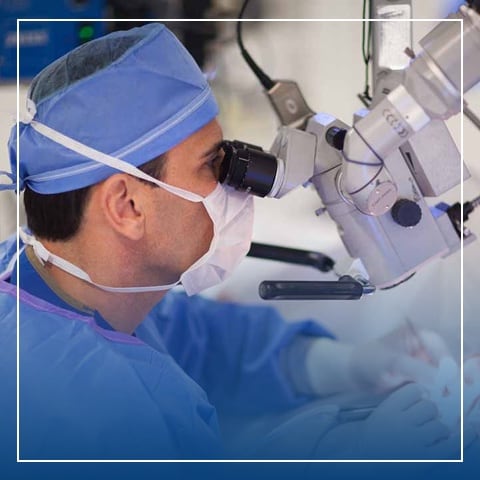
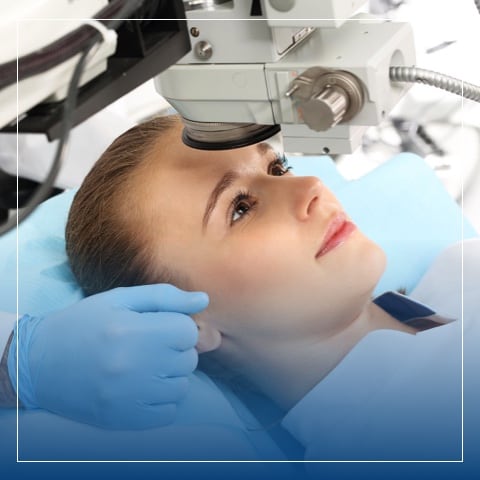
Laser cataract surgery is a quick and effective lens replacement procedure to help restore (and improve) your vision. The laser technology improves the precision of many crucial steps in the procedure. Your ophthalmologist will replace the natural, clouded lens with an intraocular lens (IOL).
Intraocular Lenses (IOLs)
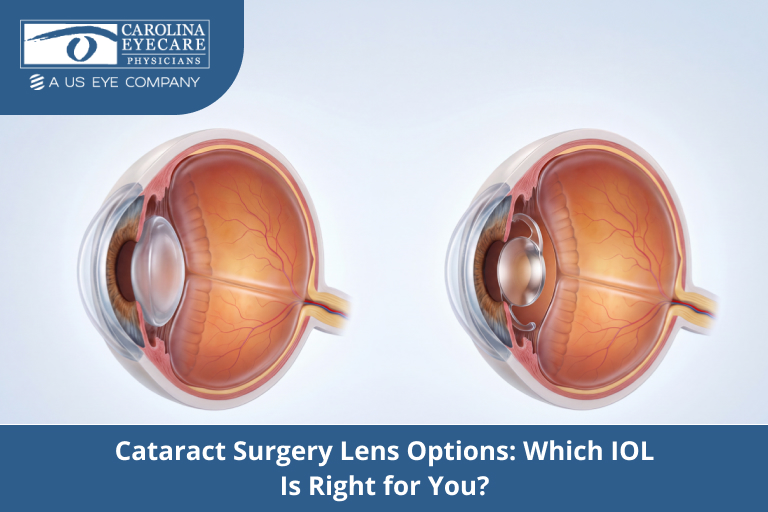
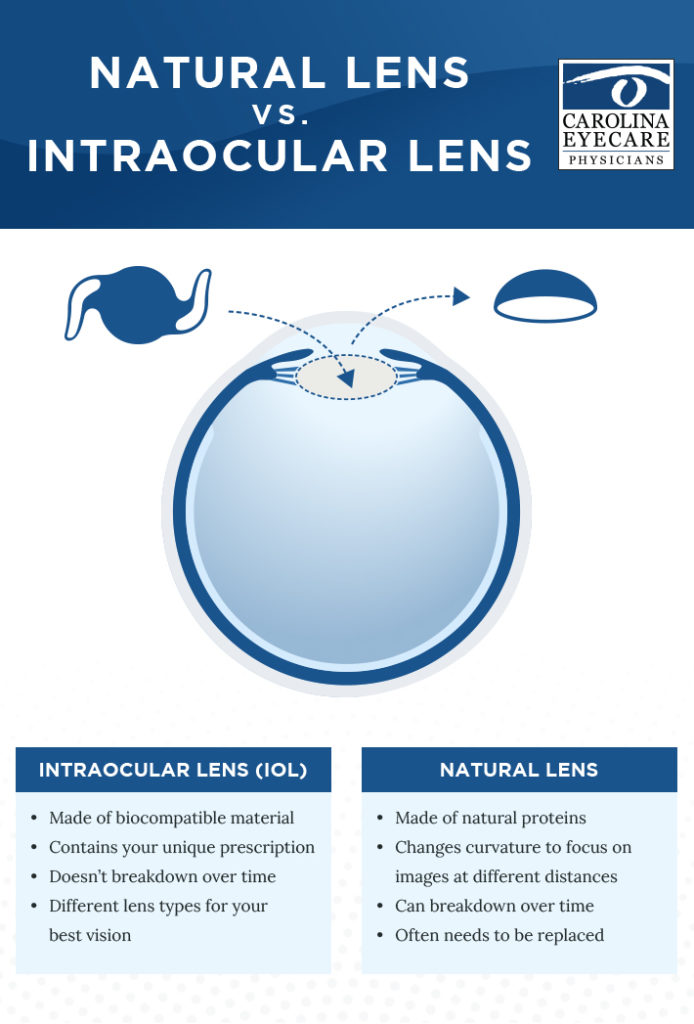
Intraocular lenses (IOLs) are clear, artificial implants, and many patients wonder how long IOL lenses last, especially considering their significant role in lens implant surgery and how the intraocular lens lifespan can impact their overall eye health.
Patients often ask, “How long do IOLs last?” These artificial lenses are designed to remain in the eye permanently and typically last for the rest of a patient’s lifetime. Unlike natural lenses, they do not become cloudy or deteriorate with age.
Much like the prescription in your eyeglasses or contact lenses, IOLs contain your individual prescription to give you the best possible visual results.
There are different types of IOLs. After a thorough assessment, your ophthalmologist will recommend the right one for you. These include:
- Monofocal
- Multifocal
- Accommodative
- Toric
Surgery Steps
You can expect the following during the process of laser cataract surgery:
- Eye drops or injections will be used to numb your eye. You will be awake during the surgery and can see light and movement, but will not see what the surgeon is doing.
- A tiny incision will be made with a laser near the edge of the cornea to reach the lens.
- The cataract is gently broken up and vacuumed out.
- A premium IOL is inserted through the small incision to take the place of the clouded lens.
Typically, you can return home to your normal activities following your procedure. Your ophthalmologist will give you post-care instructions to ensure you have the best possible results.
Following your surgeon’s post-surgery recommendations is important for protecting your vision. Learn more about proper recovery steps in our guide, Do’s & Don’ts After Cataract Surgery, to support healing and long-term results.
Long-Lasting Benefits
Clear vision from laser cataract surgery and advanced IOLs allows you to see at all distances.
What’s great about intraocular lenses (IOLs) is that they are made of acrylic or silicone, and lens implant surgery with these lenses offers long-lasting results.
Many patients wonder, “Do intraocular lenses wear out?” The answer is no. IOLs are made from durable, biocompatible materials designed to remain stable inside the eye and not deteriorate like natural lenses.
Many patients also wonder, ‘Do artificial lenses deteriorate over time? These materials are biocompatible, meaning they can coexist with the surrounding tissues.
Because IOLs do not wear out naturally, routine IOL replacement is not typically required. However, an IOL replacement may be considered in rare situations, such as complications, changes in vision needs, or when a different lens option may provide better results.
Although uncommon, potential intraocular lens implant complications may include lens displacement, incorrect lens power, inflammation, or other eye-related issues. Your ophthalmologist will evaluate any concerns and determine the best solution if additional treatment is needed.
A replacement may occur if it’s necessary for patient satisfaction or technological advancements.
Once you have laser cataract removal with a premium lens, you are set for the rest of your life, as lens implant surgery can provide lasting clarity.
When patients ask, “How long do IOLs last?” most modern IOLs are designed to last a lifetime. While other eye conditions may affect vision over time, the artificial lens itself generally continues functioning without needing replacement.
After a cataract is successfully removed, the chances of it coming back are next to none.
Is Laser Cataract Removal Right For You?
It is important to remember that no two eyes are the same. After your ophthalmologist evaluates your eyes, a laser treatment for cataracts plan will be made specifically for you, based on your goals and what your provider thinks will help you get there.
Carolina Eyecare Physicians offers three Vision Options, including Advanced Vision, Custom Vision, and Basic + Vision.
- Advanced Vision: Reduces or eliminates the need for glasses for all vision issues (near, intermediate, and distant).
- Custom Vision: Allows you to customize your vision and choose whether you use glasses for near or distance vision.
- Basic + Vision: Eliminates vision issues from cataracts, but does not correct other vision issues like nearsightedness and farsightedness. Most patients will still need glasses.
This premium service can take your vision to the next level. We want you to love life without glasses!
Choosing the right IOL depends on your vision goals, lifestyle, and eye health. Schedule a consultation with Carolina Eyecare Physicians to explore your lens options and learn which solution may provide the best long-term results for your vision.
Schedule an appointment with us or any of our sister locations for more information at North Charleston, Summerville, Belle Hall, Walterboro, Lady’s Island, or West Ashley III, SC, USA.
FAQs
How long do cataract replacement lenses last?
Most cataract replacement lenses (IOLs) are designed to last a lifetime. Unlike natural lenses, they do not become cloudy or wear out over time. Their durability allows many patients to maintain stable vision after cataract surgery for decades.
Can intraocular lenses be replaced?
Yes, IOLs can be replaced if needed, although this is rare. If an issue arises or if technological advancements offer a better lens option, IOL replacement might be recommended by your ophthalmologist.
What happens if my IOL needs replacing?
If an IOL needs replacing, your ophthalmologist will first evaluate the reason, such as lens positioning issues, vision concerns, or other eye-related factors. While rare, an IOL replacement procedure may be considered to improve comfort, visual quality, or address complications.
Do intraocular lenses wear out over time?
No. Intraocular lenses are made from durable materials designed to remain in the eye permanently. They do not degrade like natural lenses, which means most patients do not need a replacement during their lifetime.
How long do artificial eye lenses last?
Artificial eye lenses, or IOLs, are designed for long-term use and typically last a lifetime. Intraocular lenses last a long time, and most patients have no issues with their lens after cataract surgery.
Have questions about your IOL options or long-term vision after cataract surgery? Schedule an appointment with Carolina Eyecare Physicians to discuss your personalized treatment plan.
**The information provided in this blog on lens implants and IOLs is for general informational purposes only. Remember to seek advice from a qualified eye care professional with any questions you may have regarding your specific medical condition or treatment options**