Reviewed By: Dr. Cole Miliken, MD
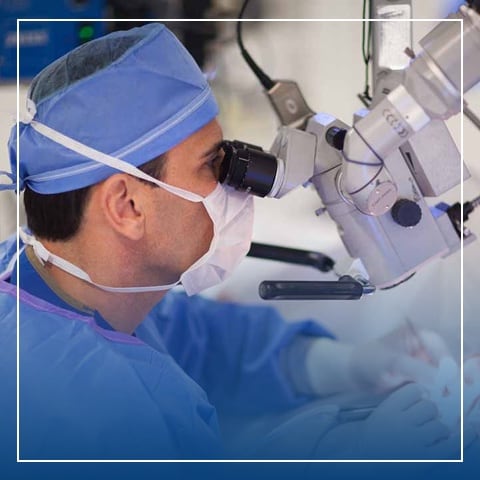
According to the National Eye Institute, cataract surgery is one of the most common and safe types of surgery performed in the United States. Carolina Eyecare Physicians is committed to providing the highest quality of care with acclaimed surgeons and advanced technology in cataract surgery.
Rest assured, with board-certified ophthalmologists, cataract surgery has a high success rate, with 95% of patients showing improved vision. Generally, cataract surgery is not painful and is performed under local anesthesia while you are awake.
Table of Contents
What Are Cataracts
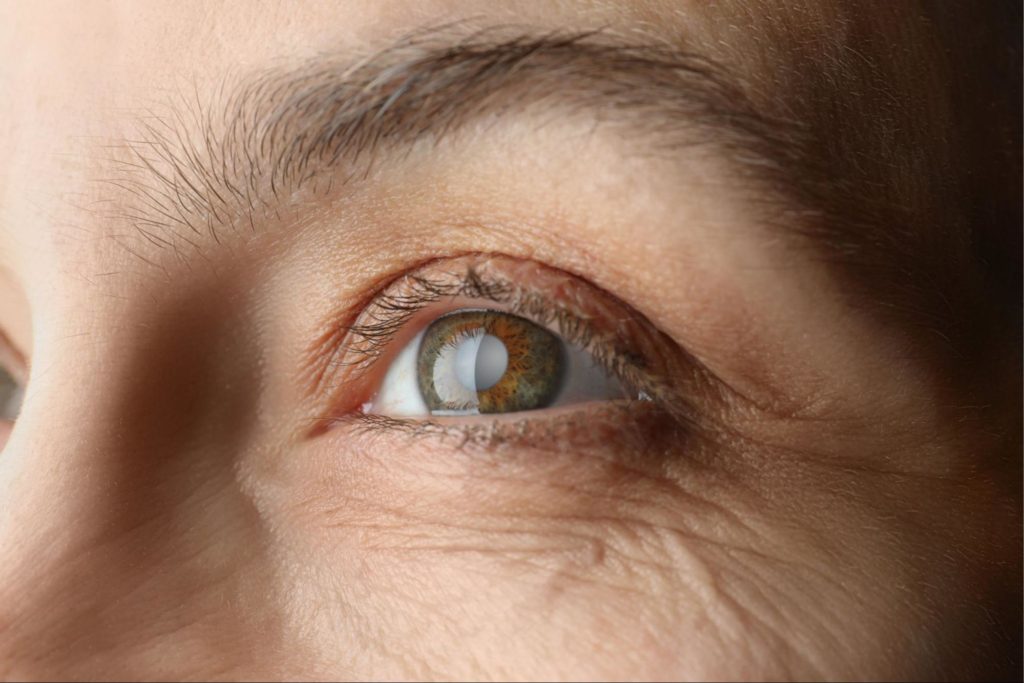
Cataracts are deteriorating eye lenses that become cloudy or less clear over time due to aging, trauma, or disease processes such as diabetes. When the lenses can no longer transmit light fully, the condition is called a cataract.
Cataracts are a common disorder that affects millions of Americans, and they’re a leading cause of vision loss. There are approximately 10 million cataract surgeries performed each year worldwide.
As people grow older, their risk of developing cataracts increases. Over half of all Americans 80 years and older have cataracts or had surgery to remove them.
Cataracts usually develop slowly over several months or years. They can also appear suddenly as part of an inflammatory condition such as uveitis or trauma from an injury or infection in the eye.
Why Is Cataract Surgery Needed?
Cataract surgery is needed to treat vision impairment caused by a clouded lens in the eye and is the only form of treatment for cataracts. It improves eyesight and enhances the quality of life for patients who can no longer see clearly.
If not treated promptly, people with cataracts struggle with vision, normal everyday activities, and quality of life, resulting in partial vision loss or total blindness. Delaying cataract surgery can lead to worsening of the following symptoms:
- Difficulty driving at night
- Blurred vision
- Experiencing glare or halos around lights
- Sensitivity to light
- Impaired color vision
Cataract surgery is sometimes needed when it interferes with the treatment of other eye conditions such as diabetic retinopathy or age-related macular degeneration. Below are some questions to consider when determining if you need cataract surgery:
- Do you have problems with your eyes when reading or using digital devices?
- Do you find it hard to complete everyday tasks because of your vision?
- Are you able to drive safely?
- Do bright lights make it harder for you to see?
- Are your vision problems affecting your independence?
What Does Cataract Surgery Involve?
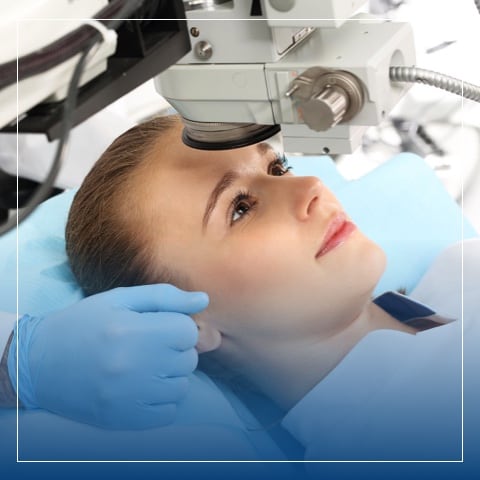
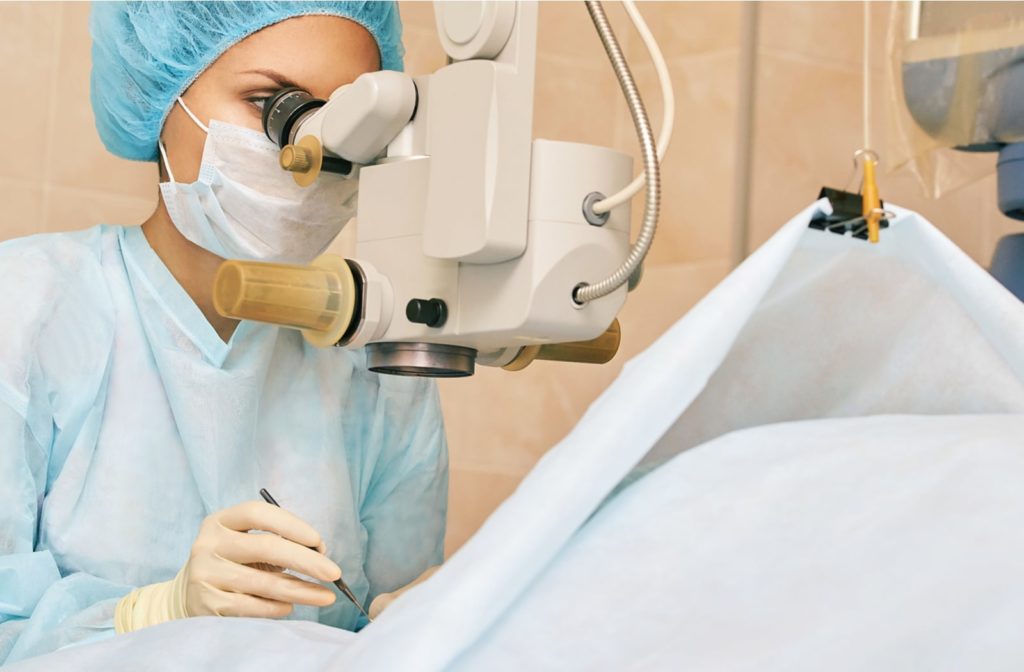
Cataract surgery performed on an outpatient basis usually takes a few hours to complete. Most people can expect to experience little to no pain during the procedure.
Most patients don’t require anything beyond over-the-counter pain relievers for post-operative treatment. You will be prescribed eye drops to prevent infection and reduce inflammation.
After cataract surgery, people may experience cloudiness, increased sensitivity to light, itching, or discomfort, but these side effects usually disappear within a few days or weeks.
The recovery time after cataract surgery varies depending on the procedure type and other factors such as your age. Most people experience significant visual improvement within a few days or weeks of surgery.
Check here – Do’s & Don’ts After Cataract Surgery
Types of Cataract Surgeries
Laser cataract surgery and the traditional manual technique are two forms of cataract surgery. Laser surgery uses advanced technology with improved precision and is fully customizable to the eye’s unique structure. There are 3 cataract vision treatment options for laser cataract surgery.
Advanced Vision
Advanced vision allows minimal to no dependence on glasses after surgery for near, intermediate, or distant visual ranges. It includes laser cataract surgery with Intraocular Lens Implant (IOL), astigmatism treatment, and corneal topography.
Custom Vision
Custom vision allows for visual customization and requires glasses for either distance or near vision. It includes laser cataract surgery, a shape-matched lens implant, astigmatism treatment, and corneal topography.
Basic Vision
Basic vision requires glasses for all distances. It includes manual cataract surgery, shape-matched implant, and corneal topography.
Better Vision Brighter Future
The first step to successful cataract surgery is choosing a certified eye surgeon. Carolina Eyecare Physicians provides excellence, compassion, and cutting-edge technology to restore your sight to the vision of your youth.
If you have any questions or concerns about cataract surgery, let us put your fears to rest. Visit our website for an overview of cataract surgery, or contact us for more information.