Reviewed By: John G.P. Boatwright, MD
Cataracts can significantly affect your vision, but surgery can help you regain your sight. While recovering from a medical procedure requires following specific aftercare instructions, it’s equally important to be aware of the do’s and don’ts before cataract surgery to ensure optimal outcomes. Your eye doctor can explain these in more depth, but understanding both the do’s and don’ts before cataract surgery and after can significantly impact your recovery.
Understanding what to expect after cataract surgery can help you feel more confident during the healing process. From protecting your eyes outdoors to knowing which activities to avoid, following proper cataract surgery recovery tips can support a smoother recovery.
Continue reading to learn more about cataract surgery, including how you can help your eyes heal after your procedure.
Table of Contents
What is a Cataract?
A cataract is the clouding of your eye’s lens. This condition gradually progresses, dulling your vision. You may not notice any changes at first, but eventually, cataracts can feel like you’re looking through a foggy window.
There are several types of cataracts, including:
- Age-related cataracts
- Traumatic cataracts
- Radiation cataracts
- Congenital cataracts
Eventually, cataracts can block incoming light, affecting your vision. This condition can make it difficult to read, drive, or read facial expressions as your cataract progresses.
How Do Cataracts Develop?
Cataracts occur naturally due to aging when proteins build up in the eye’s lens, clouding certain areas. These clouded areas typically begin small and expand with time, worsening your eyesight.
Age isn’t the only factor contributing to cataracts; this condition can develop due to:
- Smoking
- Prolonged steroid use
- Prolonged, heavy consumption of alcohol
- Spending too much time in the sun without eye protection
Age is the most common reason for cataracts, but certain aspects of your life can increase your risk of developing this condition.
Cataract Risk Factors
Several factors can increase the likelihood of cataracts. Your risk is higher if you:
- Have diabetes
- Smoke
- Are overweight or obese
- Have high blood pressure
- Have a previous eye injury
- Have had previous intraocular surgery
- Drink too much alcohol
Cataract severity can vary; you may only need stronger lighting or a different eyeglass prescription to manage this condition at first. When cataracts make it difficult to see, surgery is usually your only option.
What Is Cataract Surgery?
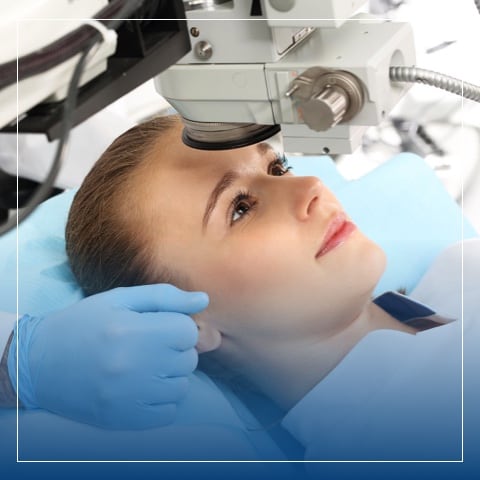
Cataract surgery is a procedure that removes your clouded lens and replaces it with an artificial one. This treatment is safe and quick, with the surgical portion of the procedure only taking minutes per eye.
During the procedure, your doctor makes a small incision in the eye before removing the lens. Then an artificial replacement called an intraocular lens (IOL) takes its place. If you’re interested in this surgery, how does the process work?
Before Treatment
Your doctor will assess your eligibility for cataract surgery before proceeding any further. After this, your doctor will help determine the best IOL to replace your clouded lens. There are several options available, from basic intraocular lenses to premium lenses, which can eliminate or decrease your need for glasses.
Types of IOLs include:
- Monofocal IOLs
- Accommodating IOLs
- Multifocal IOLS
- Toric IOLs
During Treatment
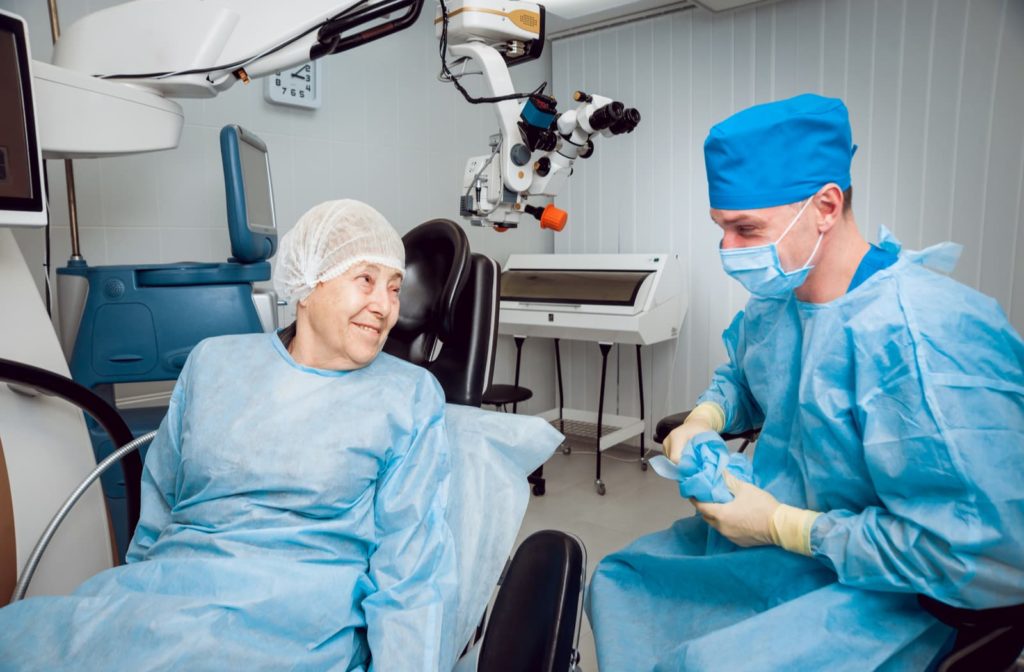
Your treatment will begin with your doctor administering dilating eye drops. Afterward, they will use a local anesthetic to numb the treatment area and possibly a sedative to help you relax.
Your doctor will make an incision in your cornea before removing the lens in small fragments. After the lens removal, your doctor will insert the chosen IOL.
After Treatment
Your vision should begin to improve a few days after your surgery. Your doctor will provide you with aftercare notes, and you’ll routinely meet with them to track your recovery progress.
During your recovery, what are some things you should do to help your healing process and improve your cataract surgery recovery?

What Are the Do’s & Don’ts After Cataract Surgery?
You should start to feel normal a couple of hours after your surgery is complete. Before you go home, your doctor will give you detailed post-operative instructions to follow and answer any of your questions or concerns.
It’s normal for your eyes to feel gritty or watery, and you may experience double or blurred vision. These side effects should improve within a few days, but you won’t fully recover until 4 to 6 weeks after your procedure, so follow your doctor’s advice during your cataract surgery recovery period.
During your recovery period, knowing the things to avoid after cataract surgery and following your doctor’s instructions can help protect your healing eye and reduce the risk of complications.
During this recovery period, there are several do’s and don’ts related to your surgery that you should know to care for your eye after cataract surgery.
Do
When you’re recovering from your surgery, you should diligently follow your doctor’s aftercare instructions. In general, for proper post-cataract surgery care, you should do the following as you recover from your procedure, keeping in mind the dos and don’ts after Cataract Surgery that your doctor recommends.
- Use eye drops as instructed
- Rest & don’t overexert yourself for the first 2 to 3 days
- Cover your eyes when outdoors and use sun protection
- As part of eye care after cataract surgery, avoid swimming for 4 to 6 weeks to prevent potential infections.
Don’t
What not to do after cataract surgery: During your recovery, you’ll have to limit exposure to your eyes and keep them protected. Avoid the following as you recover from surgery:
- Rub your eyes
- Allow shampoo or soap to enter your eye
- Drive until your doctor allows it
- Complete strenuous exercise or housework
- Fly without your doctor’s approval
Use these tips as a general guideline, but trust your doctor’s advice. If you’re unsure if you can do a certain activity while your eyes are recovering, speak with your doctor to avoid any restrictions after cataract surgery and ensure a smooth healing process.
Already Had Cataract Surgery and Have a Recovery Concern?
If you have already had your cataract procedure and have questions about your recovery, symptoms, medications, or post-surgery instructions, contact your care team directly. Our existing patients can reach out through the Patient Portal or contact our office for assistance with recovery-related concerns.
Your care team can help answer questions about your healing process and guide you on the next steps if you notice any changes after surgery.
See Life Clearly
Cataracts can affect your vision and quality of life, but your doctor can help you see clearly again. With a new lens, you don’t need to suffer through blurry vision. If you’re interested in cataract surgery, speak with your eye doctor today.
FAQs
How long do I need to wear dark glasses outside after cataract surgery?
After cataract surgery, it’s generally recommended to wear dark glasses for about 1 to 2 weeks when outdoors to protect your eye after cataract surgery from bright light and UV rays. Always follow your doctor’s specific advice.
What not to do after cataract surgery?
Some things to avoid after cataract surgery include rubbing your eyes, using unapproved eye makeup, swimming, or engaging in strenuous activities that could strain your eye after cataract surgery. Always follow your doctor’s post-surgery instructions.
What to bring on cataract surgery day?
On the day of your cataract surgery, bring a pair of sunglasses to protect your eye from bright lights after cataract surgery, along with any prescribed medications or eye drops as per your doctor’s instructions.
Who do I call if I have a concern during recovery?
If you have a concern during your cataract surgery recovery, contact your eye care team directly for guidance. Existing patients can use the Patient Portal or contact the office to discuss recovery questions, symptoms, or post-operative concerns. Your care team can help determine whether you need additional guidance or an appointment.