Reviewed By: Peter B. Knowlton, MD
As you age, you may experience symptoms of cataracts. Your vision may become cloudy, you may have trouble reading in low-light rooms, and colors can appear less vivid. Cataracts typically develop slowly over time; however, they may need removal if they reach a point where your vision is significantly impaired.
A quality eye doctor can provide you with the knowledge and expertise to help you decide the best option for removing your cataracts. It’s essential to understand the symptoms of cataracts and what options are available for you to see clearly again.
Table of Contents
What Are Cataracts?
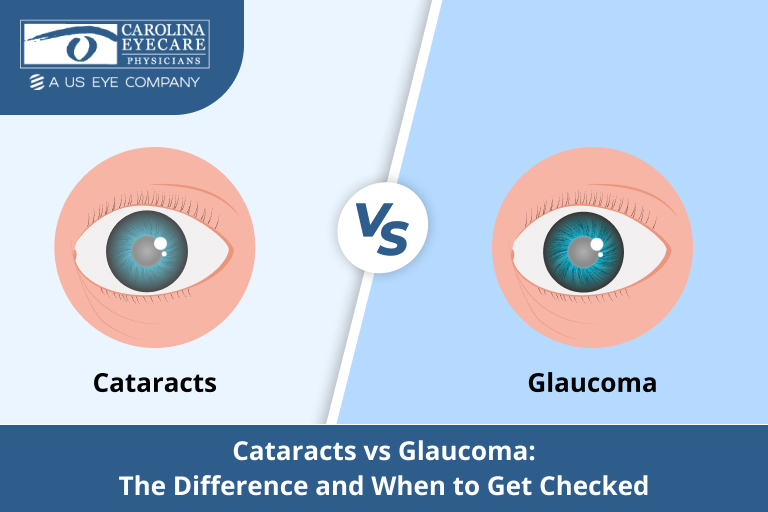
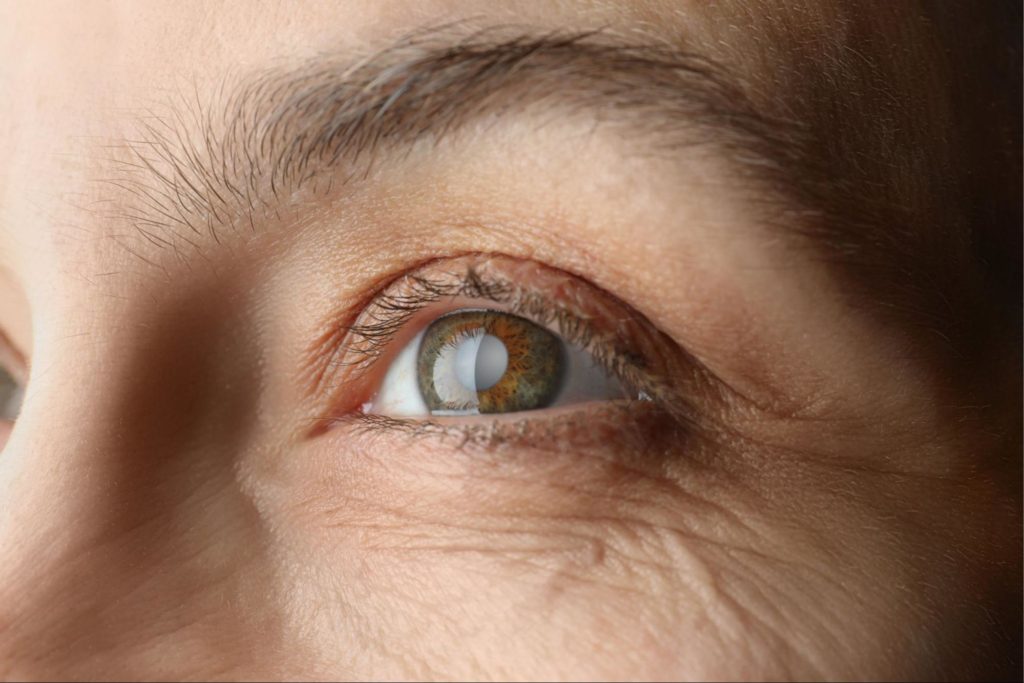
Cataracts occur in the clear natural lens of your eye. The lens focuses light on the retina, helping you see correctly. Cataracts cause cloudiness in the lens, so it can’t correctly focus on the retina.
Usually, younger people are at less risk of developing cataracts. Cataracts typically develop in people aged 40 and older, though symptoms may not become noticeable until age 60.
Symptoms of cataracts include:
- Blurred vision
- Light sensitivity
- Poor night vision
- Difficulty seeing color
- Double vision
- Sudden nearsightedness
Depending on its location and size, a cataract can disrupt your vision. If left untreated, cataracts can cause complete blindness.
What Can Cause Cataracts?
The most common cause of cataracts is aging. Your lens becomes more rigid, thick, and unclear as you age, which can create a cataract.
Other than aging, cataracts can be caused by:
- Smoking cigarettes
- Excessive sun exposure
- Inflammation from injury
- Alcohol overuse
- High blood pressure
- Diabetic issues
While cataracts are more likely to be caused by aging, you can reduce your risk of developing premature cataracts by limiting exposure to other causes.
How Are Cataracts Diagnosed?
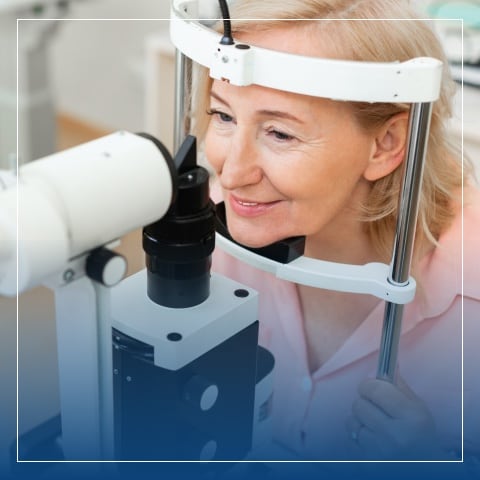
Your eye doctor can diagnose cataracts during an eye exam. A regular eye exam can uncover signs of cataracts, and your doctor will likely recommend a dilated eye exam to confirm a cataract diagnosis.
Your doctor will dilate your pupil using eye drops during a dilated eye exam. Pupil dilation helps your doctor examine structures inside your eye, including the lens. If your doctor discovers signs of cataracts, they may recommend surgery.
How Does Cataract Surgery Work?
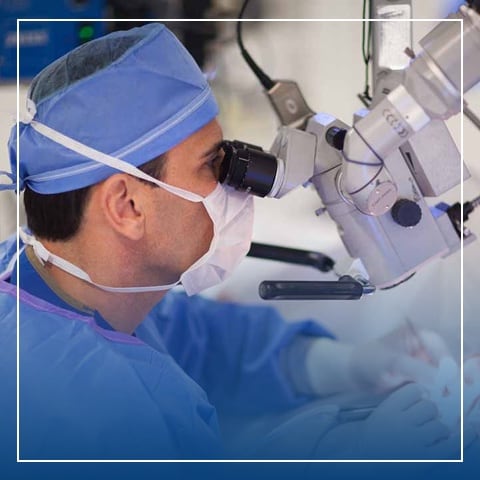
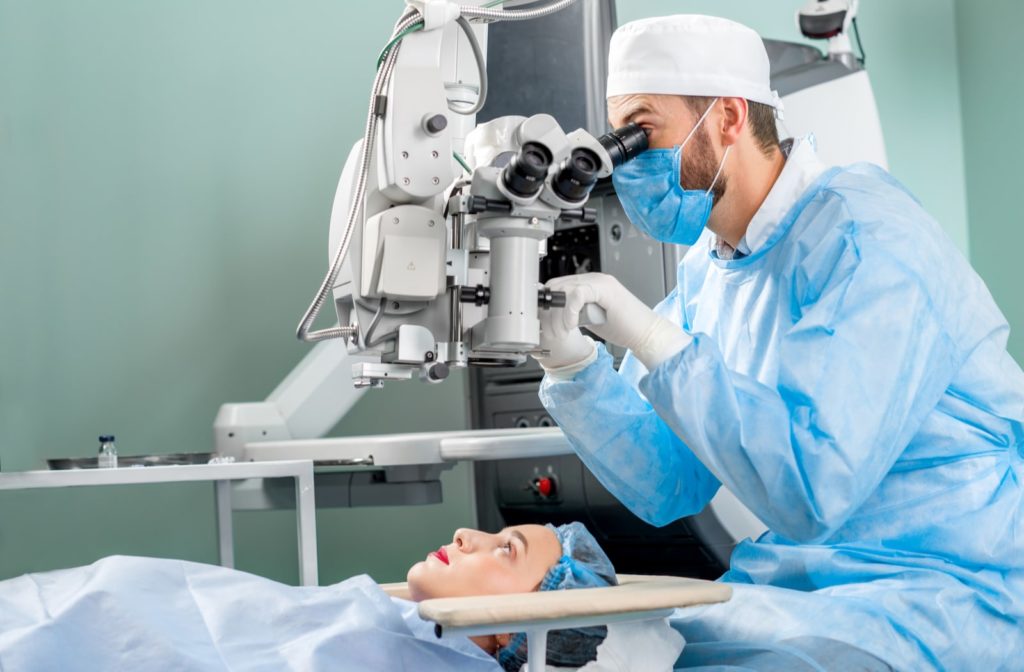
Many patients ask, ‘How long does cataract surgery take?’ Cataract surgery typically takes approximately 10 minutes to perform. During the cataract surgery procedure, your doctor will begin by cleaning your eyelid to reduce any risk of infection. Afterward, they will numb your eye using eye drops to ensure you are comfortable during the procedure.
As part of the cataract surgery procedure, after your pupils are completely dilated, your doctor makes small incisions on the edge of the cornea to allow surgical tools to reach the lens. Then, they remove the capsule on the lens to enable access to the cataract. The doctor then splits the lens into manageable pieces for removal.
Splitting the lens typically involves a process called phacoemulsification. The doctor inserts an ultrasound probe that emits waves to impact the lens and breaks it up into quadrants. The doctor then uses a suction device to remove the lens fragments.
After removing the cataract, your doctor will insert an intraocular lens (IOL) into the same place as your old lens.
What is Laser Cataract Surgery?
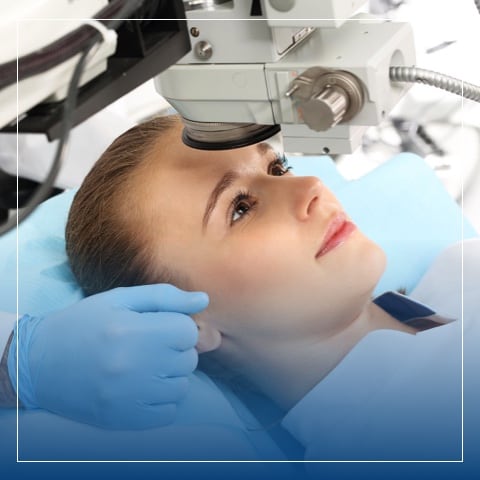
Laser cataract surgery offers improved precision and vision options. Your doctor can customize your procedure to your unique vision needs. During laser treatment for cataracts:
- Your doctor will make primary incisions on the edge of the cornea to access the cataract
- The laser then makes a precise opening in the capsule that covers the existing lens
- The laser is then used to divide the cataract into manageable sections for removal
- Your doctor will then insert the IOL to replace your old lens
Traditional cataract surgery is generally considered safe by most eye care professionals.
Laser cataract removal, however, has the potential to be even safer. Laser cataract surgery is more predictable than traditional cataract surgery. Predictability leads to a more precise, customizable outcome with more consistent vision improvement. Replacing phacoemulsification with a laser to divide the cataract into segments places less stress on the eye, reducing the risk of complications. For those considering laser cataract surgery, it’s common to wonder, ‘How long does cataract surgery take?’ Laser treatment for cataracts also takes around 10 minutes to complete. You can typically resume normal activities directly following laser cataract removal and expect to be fully healed within a week.
Is Cataract Surgery Right For You?
Your eyes are unique, and your laser treatment for cataracts may look different than another person’s. Your doctor will have a complete understanding of your cataract condition and eye needs and will work with you to recommend the first step toward getting relief from cataract symptoms, which is to schedule an appointment with an eye doctor.
Our physicians at Carolina Eyecare Physicians or any of our sister locations in Ladys Island, West Ashley III, Nexton, Murrells Inlet, SC, USA, are highly qualified to diagnose your cataracts and treat them with laser cataract surgery or traditional cataract surgery. You can count on us to provide world-class, compassionate care every step of the way.
Frequently Asked Questions
How long does a cataract operation take?
Cataract surgery typically takes around 15 to 30 minutes. The procedure is generally quick and minimally invasive, with most patients able to go home the same day. Your eye surgeon will remove the cloudy lens and replace it with a clear artificial lens.
How long does it take to remove cataracts?
The cataract removal process itself usually lasts between 15 and 30 minutes. It is a relatively short and straightforward procedure, but you may need a few hours for preparation and recovery before heading home.
How long does eye surgery take?
Eye surgery duration varies depending on the procedure, but the most common eye surgeries, such as cataract surgery, take less than an hour. Your surgeon will provide more specific timing based on your individual case and the type of surgery you’re undergoing.
**The information provided in this blog on cataract surgery is for general informational purposes only. Remember to seek advice from a qualified eye care professional with any questions you may have regarding your specific medical condition or treatment options**