Blog Hero
What is Posterior Vitreous Detachment

What is Posterior Vitreous Detachment or PVD?

Written by: Drew Hunter, M.D.

Floaters are a common visual disturbance experienced by many people. These are small, dark shapes or spots that appear to float across our field of vision. While most floaters are harmless, they can be a sign of a more serious eye condition called posterior vitreous detachment (PVD). Understanding PVD and its diagnosis is important to prevent any vision loss or damage to the eye.

Posterior vitreous detachment is a condition where the vitreous humor, a gel-like substance inside the eye, pulls away from the retina. This separation can cause floaters, flashes of light, and a sudden increase in the number of floaters in your vision. PVD is most common in people over the age of 50, and its prevalence increases with age.

The risks associated with PVD are relatively low, but it can lead to more severe eye conditions. Retinal tears, macular holes, and detachment are all potential complications of PVD. If a retinal tear occurs, fluid can enter behind the retina and cause the retina to detach from the back of the eye. Retinal detachment is a medical emergency that can lead to permanent vision loss if not treated immediately.

That is why it is important to see an eye doctor if you experience sudden floaters, flashes of light, or a loss of peripheral vision. These symptoms can indicate a more serious condition that requires prompt medical attention. Early diagnosis of PVD can prevent complications such as retinal detachment.

Common outcomes of PVD vary from person to person. Some people experience mild symptoms and may not require any treatment. Others may experience more severe symptoms and may need surgery to repair any damage. Most people with PVD will eventually adapt to the floaters and flashes of light, and they may become less noticeable over time.

In conclusion, posterior vitreous detachment is a common condition that can cause floaters and flashes of light in our vision. While PVD is usually harmless, it can lead to more severe eye conditions if left untreated. It is essential to see an eye doctor if you experience sudden changes in your vision, as early diagnosis of PVD can prevent complications and vision loss. With proper care and treatment, most people with PVD will recover without long-term effects.
Written by useye

More Articles By useye

Locations

We have several convenient locations throughout South Carolina. Please view the nearest location to you or get directions below. 

    News

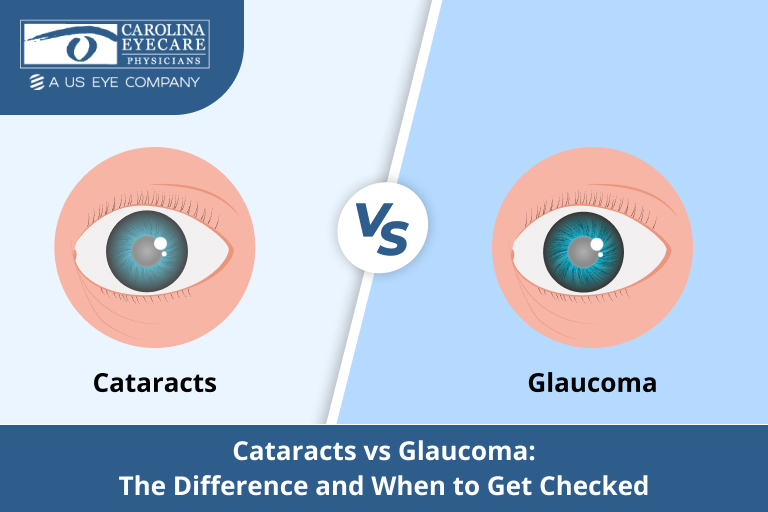
    Cataracts vs Glaucoma: The Difference and When to Get Checked

    Cataracts, Glaucoma, Uncategorized

    Vision changes rarely announce themselves in a single dramatic moment. More often, it starts as a slight friction that builds. Headlights feel harsher at night. Print looks slightly softer. One eye seems to “do more work” than the other. Two of the most common causes of those shifts are cataracts and glaucoma, and they matter […]

    Read More… from Cataracts vs Glaucoma: The Difference and When to Get Checked

    February 23, 2026
    useye

    Can You Get Laser Eye Surgery After Cataract Surgery? What Patients Should Know

    Cataract Surgery, Uncategorized

    Many people see a big improvement after cataract surgery, then notice a change later. Sometimes vision gets hazy again months or years down the line. In other cases, the vision is clearer than before, but glasses still help with certain tasks. Depending on the cause, a laser procedure after cataract surgery may be an option. […]

    Read More… from Can You Get Laser Eye Surgery After Cataract Surgery? What Patients Should Know

    January 14, 2026
    useye

    ​​Dry Eyes in Winter: Relief Tips and When to Visit Your Eye Doctor

    Dry Eye

    Winter often feels cozy, with heavier clothes, warm drinks, and more time indoors. For many people, it also brings a change in eye comfort. Dry, itchy, burning eyes become more common as the air dries out and indoor heating runs for longer stretches. When dry eyes in winter move from an occasional annoyance to a […]

    Read More… from ​​Dry Eyes in Winter: Relief Tips and When to Visit Your Eye Doctor

    December 11, 2025
    useye
    difference between cataracts and glaucoma

    Vision changes rarely announce themselves in a single dramatic moment. More often, it starts as a slight friction that builds. Headlights feel harsher at night. Print looks slightly softer. One eye seems to “do more work” than the other. Two of the most common causes of those shifts are cataracts and glaucoma, and they matter […]

    Read More… from Cataracts vs Glaucoma: The Difference and When to Get Checked

    laser surgery after cataract surgery

    Many people see a big improvement after cataract surgery, then notice a change later. Sometimes vision gets hazy again months or years down the line. In other cases, the vision is clearer than before, but glasses still help with certain tasks. Depending on the cause, a laser procedure after cataract surgery may be an option. […]

    Read More… from Can You Get Laser Eye Surgery After Cataract Surgery? What Patients Should Know

    what causes Dry Eyes in Winter

    Winter often feels cozy, with heavier clothes, warm drinks, and more time indoors. For many people, it also brings a change in eye comfort. Dry, itchy, burning eyes become more common as the air dries out and indoor heating runs for longer stretches. When dry eyes in winter move from an occasional annoyance to a […]

    Read More… from ​​Dry Eyes in Winter: Relief Tips and When to Visit Your Eye Doctor

    Carolina Eyecare Physicians Partner Background Image
    US Eye Logo

    We are a proud partner of US Eye, a leading group of patient-centric, vertically integrated multi-specialty physician practices providing patients with care in ophthalmology, optometry, dermatology, audiology, and cosmetic facial surgery.

    instagram facebook facebook2 pinterest twitter google-plus google linkedin2 yelp youtube phone location calendar share2 link star-full star star-half chevron-right chevron-left chevron-down chevron-up envelope fax