Reviewed By: Dr. Kimberly Carter, OD
Glaucoma can affect anyone, but some are at a higher risk of developing this eye disease. Because glaucoma presents few early symptoms and doesn’t affect vision or cause pain, it can go unnoticed and undiagnosed.
For these reasons, it’s essential to have regular glaucoma eye exam so your eye doctor can detect the early signs of the disease before it advances.
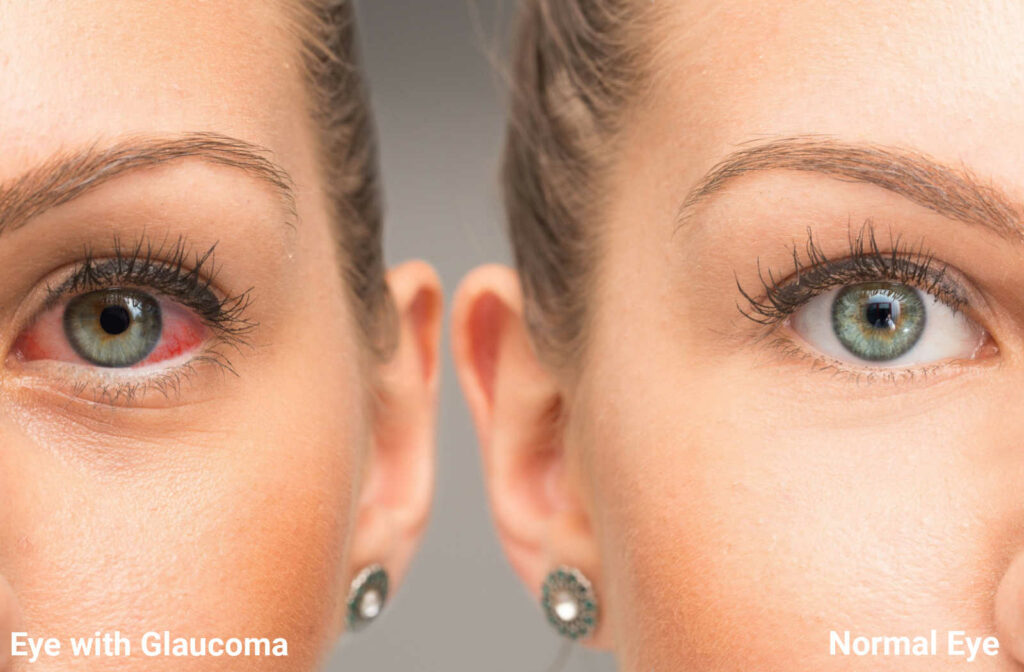
But what does glaucoma look like?
By the time you notice symptoms, it’s likely that glaucoma has advanced to the point that it’s caused irreparable vision loss. You may notice things like decreased peripheral vision or blurry vision.
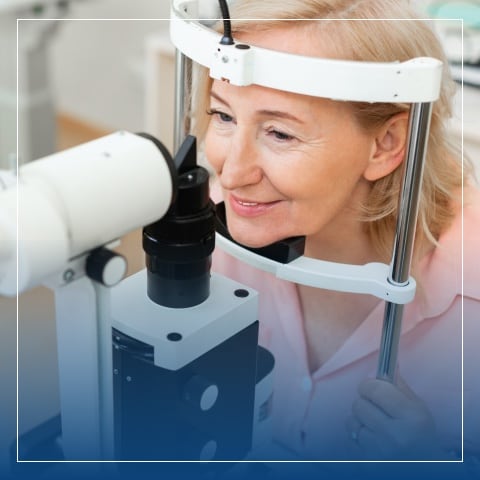
During a comprehensive eye exam, your eye doctor will use several routine tests to look for signs of glaucoma. If they find signs of potential glaucoma, you’ll be considered a glaucoma suspect, and your eye doctor will refer you to an ophthalmologist who will perform additional tests to confirm a diagnosis.
Continue reading as we discuss the causes, types, risks, glaucoma symptoms, and treatment options in more detail.
Table of Contents
What Is Glaucoma?
Glaucoma is the second leading cause of blindness worldwide, and more than 3 million Americans have glaucoma.
There are several types of glaucoma, all of which damage the optic nerve—the bundle of nerve fibers that sends information from the eyes to the brain.
The most common type of glaucoma is open-angle, which occurs when a blockage in your eye’s drainage system prevents fluid from draining fast enough, putting pressure on the optic nerve. Over time, this pressure damages the optic nerve, leading to peripheral vision loss.
Although increased intraocular pressure (IOP) is a common sign of glaucoma, not all types of glaucoma cause high IOP, and not all individuals with elevated IOP develop glaucoma.
Other types of glaucoma include angle closure, normal tension, and congenital glaucoma.
Who Is at Risk for Glaucoma?
Certain factors can make you more susceptible to developing glaucoma, including:
- A family history of glaucoma
- Over age 40
- High blood pressure, diabetes, or heart disease
- High pressure in the eye (ocular hypertension)
- Problems with the optic nerve, such as thinning
- Eye injury
- A thin cornea at the center (the clear front part of the eye)

Signs & Symptoms of Glaucoma
The first symptom of glaucoma is usually gradual peripheral vision loss, which may develop into tunnel vision. It usually does not present symptoms like pain or redness. Those with glaucoma can also experience:
- Difficulty focusing on objects
- Glare
- Reduced contrast sensitivity
- Decreased image quality
- Things that appear darker than usual
Open-Angle Glaucoma Symptoms
Open-angle glaucoma progresses without noticeable initial symptoms. It affects nearly 90% of those with glaucoma. Blind spots in your peripheral vision only appear as the disease worsens.
Angle-Closure Glaucoma Symptoms
Chronic angle-closure glaucoma occurs slowly over time and results from the slow closure of your eye’s drainage angle. Like open-angle glaucoma, it has no early symptoms.
However, acute angle-closure glaucoma occurs very quickly, presents with severe symptoms, and requires immediate medical intervention to preserve your vision.
If you experience the following symptoms, visit your ophthalmologist immediately:
- Severe eye or forehead pain
- Severe headache
- Eye redness
- Blurred or decreased vision
- Halos or colored rings around lights
- Nausea
- Vomiting
Normal-Tension Glaucoma Symptoms
Those with normal-tension glaucoma have an IOP within normal ranges but still experience optic nerve damage.
Experts believe normal-tension glaucoma occurs in those with abnormalities in the blood flow to the optic nerve or weak structures in the optic nerve tissue.
Like other types of glaucoma, normal-tension glaucoma usually has no symptoms in its early stages and vision loss in later stages.
Congenital Glaucoma Symptoms
This type of glaucoma is rare and is present at birth, and occurs due to the incorrect development of the eye’s drainage system before birth.
Signs of congenital glaucoma are:
- Cloudy eyes
- Eyes that look larger than normal
- Increased blinking
- Tears without crying
- Sensitivity to light
How Is Glaucoma Diagnosed?
The only way to diagnose glaucoma is through a comprehensive eye exam with an ophthalmologist who will perform in-depth, noninvasive tests to give you a diagnosis.
An in-depth glaucoma exam can include:
- A tonometry test to measure your internal eye pressure
- An angle exam to inspect your eye’s drainage angle (gonioscopy)
- A dilated eye exam and OCT to check your optic nerve and retina
- A corneal thickness measurement (pachymetry)
- A visual field test to check your peripheral vision
Glaucoma Treatment
There’s no cure for glaucoma, but with treatment and regular glaucoma eye exams, optic nerve damage and vision loss can be prevented, especially when caught early. Glaucoma treatments usually aim to lower eye pressure and can include:
- Prescription eye drops: When used daily, these eye drops decrease eye pressure by either reducing the amount of fluid the eye makes or helping it drain better.
- Oral medication: If eye drops don’t help lower your eye pressure, you may be prescribed oral medication. Always inform your ophthalmologist if you experience any side effects, such as burning, stinging, or redness.
- Laser surgery: Laser surgery involves making small holes in the drainage channel to help fluid drain from your eye.
Also read:
Eye Exams Preserve Vision
Although you can’t prevent glaucoma, you can manage it with medication and glaucoma laser surgery. Early detection and diagnosis are the keys to preventing vision loss. If you have a family history of glaucoma or are at a high risk of this condition, please schedule an appointment for an eye exam with Carolina Eyecare Physicians today, or contact us if you have questions or concerns about your vision at any of our locations in North Charleston, Summerville, Walterboro, and Mt. Pleasant in South Carolina.
**The information provided in this blog on glaucoma is for general informational purposes only. Remember to seek advice from a qualified eye care professional with any questions you may have regarding your specific medical condition or treatment options**