
Reviewed By: Dr. Lowrey P. King, MD
The health of your retina is crucial for maintaining clear vision and overall eye health. Our retinal ophthalmologists at Carolina Eyecare Physicians play a vital role in diagnosing, managing, and treating various retina conditions and often help patients understand the key differences between a retina specialist vs ophthalmologist when seeking the right care.
Retina Specialists like Navy Veteran Dr. Jonathan Brugger, Duke Alum Dr. Franciso A. Folgar, and published ophthalmologist Dr. Lowrey P. King are equipped to handle complex retinal issues—ideal examples when explaining “what is a retina specialist called?” in advanced eye care.
Table of Contents
What is a Retinal Ophthalmologist?
The retina is the light-sensitive tissue lining the back of the eye. It converts light rays into impulses that travel through the optic nerve to the brain, where they are interpreted as the images we see.
A retinal ophthalmologist, also known as a retina specialist, is a medical doctor who has undergone extensive training in ophthalmology with additional specialized training in diseases and surgery of the retina and vitreous body of the eye.
These specialists are adept at managing conditions that affect the back part of the eye, ensuring patients receive targeted and effective care for vision correction.
Key Responsibilities
1. Diagnosis and Treatment
Retinal ophthalmologists diagnose and treat various retina conditions through regular eye exams, offering advanced options like South Carolina macular pucker treatment for patients seeking specialized care.
At Carolina Eyecare Physicians, our specialists’ expertise encompasses retinal membranes, macular degeneration, macular pucker, macular holes, diabetic retinopathy, retinal tears/detachments, posterior vitreous detachment (PVD), and vitreous floaters.
Retinal specialists also administer treatment measures for these conditions, offering various vision correction options. If you’re comparing a retina specialist vs ophthalmologist, it’s important to note that while all retina specialists are ophthalmologists, not all ophthalmologists have the additional fellowship training required to manage complex retinal surgeries. These treatments include surgery, Pneumatic Retinal Surgery, Scleral Buckle, and Vitrectomy. More information about each is listed below.
Retina Laser Surgery
For certain retinal conditions, such as retinal tears or diabetic retinopathy, retinal ophthalmologists may perform retina laser surgery by sealing the retina to the back wall to repair damage and prevent further vision loss.
Pneumatic Retinopexy
This procedure may be done in the office. In a pneumatic retinopexy, a gas bubble is injected into the vitreous space inside the eye in combination with laser surgery or cryotherapy. The gas bubble pushes the retinal tear into place against the back wall of the eye.
Scleral Buckle
This procedure is performed in an operating room. Your retinal ophthalmologist will place a flexible band (scleral buckle) around your eye to counteract the force pulling the retina out of place.
Vitrectomy
This operation is performed in an operating room and is most commonly performed for a detached retina. The vitreous gel pulling on the retina is removed from the eye and usually replaced with a gas bubble.
Sometimes, your retina specialist may use an oil bubble, but those are less common and will have to be removed by your ophthalmologist later.
2. Management of Chronic Conditions
Specialists are critical in managing chronic conditions, such as age-related macular degeneration, and providing treatments that can slow progression and help maintain vision quality through tailored vision correction. These may include medication, retina laser surgery, or a change in eyeglass prescription.
3. Emergency Care
Conditions like a detached retina require immediate attention. A retina specialist is skilled in performing urgent surgeries to reattach the retina and preserve your vision. Still, if you’ve ever wondered “what is a retina specialist called?” in medical terms, it refers to a “vitreoretinal surgeon,” someone who combines medical expertise with precision microsurgery to restore and protect the delicate layers of the retina.
Common Retina Conditions Treated
Macular Degeneration
In 2019, the CDC reported an estimated 19.8 million (12.6%) Americans aged 40 and older were living with age-related macular degeneration (AMD). Making it the leading cause of vision loss in older adults.
Macular degeneration specialists provide various treatments, including injections, laser therapy, and lifestyle recommendations to slow disease progression and manage symptoms.
Diabetic Retinopathy
Diabetic retinopathy is a complication of diabetes that affects the retina’s blood vessels. Early detection through regular retinal eye exams is crucial. Retinal ophthalmologists offer treatments such as laser surgery and injections to manage this condition.
Retinal Detachment
Retinal detachment occurs when the retina separates from the back of the eye. If not treated promptly, it can lead to potential blindness. A detached retina specialist performs surgeries, such as pneumatic retinopexy or scleral buckle procedures (mentioned above), to reattach the retina and restore vision.
Retinal Tears
Retinal tears can lead to detachment if not addressed promptly. Retinal ophthalmologists use laser surgery or cryotherapy to seal the tear and prevent further complications.
Importance of Regular Retinal Eye Exams
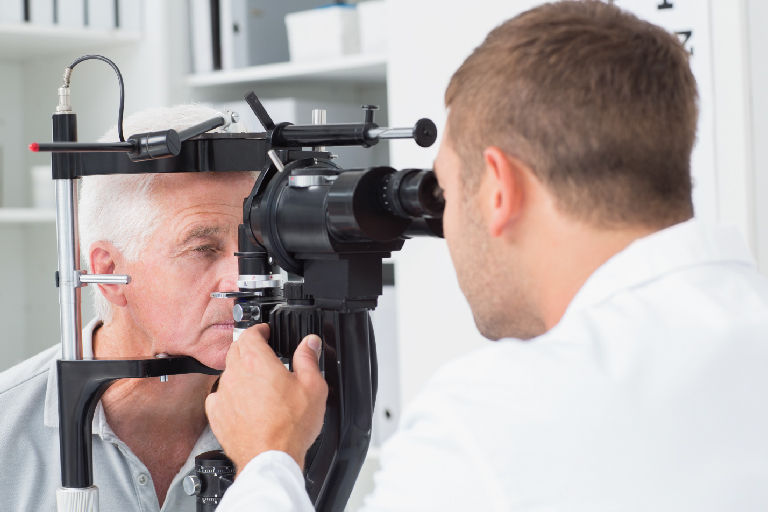
Regular retinal eye exams are essential for early detection and management of retinal conditions, which can also aid in vision correction. These exams help identify potential issues before they become severe, allowing for timely intervention and better outcomes. If you experience symptoms such as flashes of light, sudden vision loss, or floaters, it’s crucial to consult a retina eye specialist immediately.
Ready to see one of our retinal ophthalmologists?
We at Carolina Eyecare Physicians are committed to maintaining advanced diagnostics, targeted treatments, and ongoing management of chronic conditions.
For more information on retina tear surgery, retinal tear treatment, and other specialized care, schedule your appointment with Carolina Eyecare Physicians at any of our locations in North Charleston, Bluffton, Lady’s Island, Mt. Pleasant I, Murrells Inlet, SC, USA, and ensure your eyes receive the attention they deserve.
**The information provided in this blog on retina conditions is for general informational purposes only. Remember to seek advice from a qualified eye care professional with any questions you may have regarding your specific medical condition or treatment options.**