
Reviewed By: Dr. Kerry Solomon, MD
The field of ophthalmology has taken a major leap forward with the introduction of the Light Adjustable Lens (LAL) by RxSight, offering a groundbreaking alternative for patients undergoing cataract surgery. At Carolina Eyecare Physicians, we’re proud to offer this cutting-edge solution that allows patients to achieve truly customized vision correction—even after surgery, including options like light-adjustable lens cataract surgery.
Unlike traditional intraocular lenses that are fixed in power, LAL technology allows postoperative adjustments using targeted light treatments. This means patients aren’t locked into a single prescription at the time of surgery, but instead can fine-tune their vision to match real-world needs.
Table of Contents
What Is the RxSight Light Adjustable Lens (LAL)?
The RxSight Light Adjustable Lens is a premium intraocular lens (IOL) used in laser cataract surgery and refractive lens exchange procedures. Its key difference lies in the material—LALs are made from a photosensitive substance that changes shape and optical power when exposed to ultraviolet (UV) light.
Traditional lenses rely on pre-surgery measurements to determine lens power. But with LALs, your visual outcome can be fine-tuned after your eyes have healed. This flexibility makes them ideal for patients who have previously undergone LASIK treatment or have unique vision needs that can’t be perfectly predicted pre-surgery.
How Does a Light Adjustable Lens Work?
The science behind Light Adjustable Lenses is as fascinating as it is effective. Here’s how it works:
Photosensitive Material
LALs contain light-sensitive molecules that are evenly dispersed throughout the lens. These molecules respond to UV light in a controlled way.
External UV Light Application
After the initial healing period following cataract surgery, a specialized device is used to apply UV light to the lens. This light triggers a chemical reaction that reshapes the lens to change its focusing power.
Fine-Tuning the Vision
Using customized light patterns, eye care professionals can adjust the lens’s curvature to correct common refractive errors, including:
- Myopia (nearsightedness)
- Hyperopia (farsightedness)
- Astigmatism
These adjustments are non-invasive, completely painless, and performed in-office.
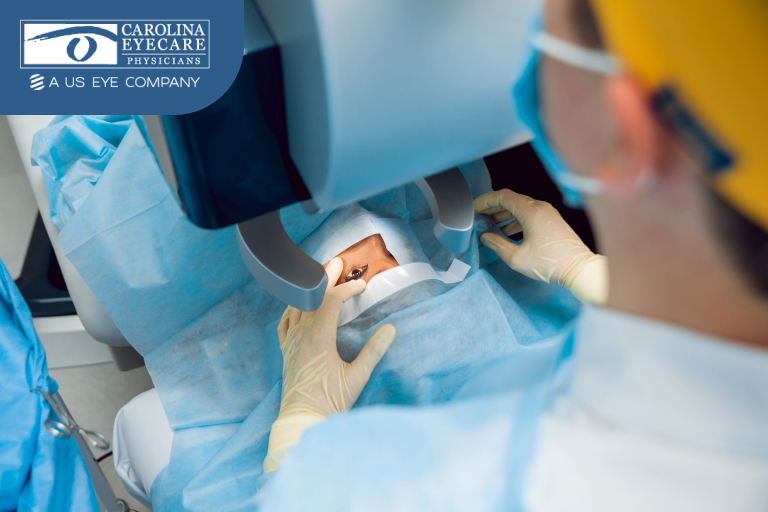
Benefits of Light Adjustable Lenses
1. Customized Vision
Because the lens can be adjusted after surgery, patients can test their vision in real-life situations before locking in the final prescription.
2. Postoperative Flexibility
Patients don’t have to worry if the initial guess at lens power isn’t perfect. With LALs, vision correction continues even after surgery.
3. Improved Accuracy
Fine-tuning vision postoperatively allows for a higher degree of accuracy than traditional IOLs.
4. Safety
The UV adjustments are controlled, externally administered, and pose no additional surgical risks.
Combining RxSight LAL Technology with Laser Cataract Surgery
Pairing RxSight Light Adjustable Lenses with laser-assisted cataract surgery is considered one of the most advanced vision correction combinations available today.
Laser cataract surgery uses femtosecond laser technology—similar to LASIK treatment—to make highly precise incisions and remove the cataract. When combined with an LAL, it creates a two-part process:
- High-Precision Cataract Removal and Lens Placement
- Postoperative Lens Power Adjustments for Personalized Vision
This combination allows patients to achieve nearly perfect 20/20 vision, including improved light-adjustable lens for near vision, reducing the need for glasses or contact lenses and minimizing the likelihood of needing future corrective procedures.
It’s also promising for patients exploring laser treatment for glaucoma, as it demonstrates how far laser-based ophthalmic care has evolved—not only treating disease but enhancing visual outcomes.
Why It Matters
Until now, patients undergoing cataract surgery had to accept a “best estimate” for their future vision, but the cataract light-adjustable lens offers a more personalized solution. But thanks to the Light Adjustable Lens, we now have a way to personalize vision correction after healing, ensuring outcomes that align with each patient’s lifestyle and preferences.
It’s a powerful shift—from fixed to flexible, from generalized to individualized care.
Discover If Light Adjustable Lenses Are Right for You
Carolina Eyecare Physicians is proud to offer the latest innovations in vision correction, including the RxSight Light Adjustable Lens, laser cataract surgery, and support for patients considering or recovering from LASIK treatment or laser treatment for glaucoma.
Whether you’re a candidate for cataract surgery or simply exploring your options for improved vision, our team of experienced ophthalmologists is here to guide you every step of the way.
Book Your Consultation Today
Achieve clearer, customized vision with the latest in lens technology. Schedule an appointment with Carolina Eyecare Physicians to explore if LAL is right for you.
**Please note that the suggestions provided in this blog are for general informational purposes only and may not be suitable for your specific insurance plan and eye care needs. It is important to consult a qualified healthcare professional for personalized advice on laser treatment for glaucoma or cataracts.**