Reviewed By: Dr. Clara Lee
Dry eyes can start as a small irritation. Your eyes sting, burn, or feel gritty, especially late in the day. For some people, that discomfort stays mild. For others, it becomes a daily problem that affects reading, driving, screen time, and overall comfort. When that happens, it is reasonable to ask: Can dry eyes cause blindness?
The short answer is that complete blindness from dry eyes alone is rare. Dry eye is usually treatable and manageable. The bigger concern is what happens when a more serious dry eye goes untreated. Over time, a damaged tear film can leave the surface of the eye exposed and vulnerable. In severe cases, this can lead to infection, corneal damage, scarring, and lasting vision problems.
Table of Contents
Understanding Dry Eye Syndrome
A healthy eye depends on a stable tear film. Every blink spreads a thin layer of tears over the cornea, which is the clear front surface of the eye. That layer keeps the eye comfortable, washes away debris, and helps vision stay clear.
The tear film has three main parts. The oily layer slows evaporation. The watery layer provides moisture and rinses away particles. The mucus layer helps tears spread evenly across the eye. When one or more of those layers is not working well, the surface dries out. That is when irritation, blurred vision, and inflammation begin.
What causes dry eyes all of a sudden?
If dry eye symptoms seem to appear out of nowhere, there is usually a trigger behind the change. Common causes include:
- Dry indoor air: Heat, air conditioning, and fans can speed up tear evaporation.
- More screen time: People blink less when using phones, tablets, and computers, leaving the eye surface exposed for longer.
- Medication changes: Antihistamines, decongestants, antidepressants, and some blood pressure medications can reduce tear production.
- Hormonal shifts: Pregnancy, menopause, and other hormonal changes can make dry eye more noticeable.
- Contact lens wear: Lenses can worsen dryness, especially after long wear days.
- Eyelid or gland problems: Meibomian gland dysfunction and eyelid inflammation can affect tear quality.
- Underlying health conditions: Autoimmune disease and other chronic conditions can make symptoms more severe or more sudden.
A sudden flare does not always mean a new problem started that day. In many cases, it means an existing issue has become harder for the eyes to compensate for.
Why dry eyes can make vision blurry
One reason dry eye feels so disruptive is that it can affect vision, not just comfort. The tear film is the first surface that light passes through when it enters the eye. If that surface is smooth and stable, vision stays crisp. If it becomes patchy or uneven, vision can look smeared, hazy, or unstable.
That is one of the main causes of dry eyes and blurred vision. Many people notice that their vision gets worse after reading, driving, or using a screen for too long. A few blinks may sharpen things for a moment because they spread a fresh layer of tears across the cornea. That pattern is common in dry eye and is one reason the condition should not be dismissed as “just irritation.”
Can dry eyes cause blindness?
Again, total blindness is uncommon. Still, severe dry eye is not harmless. When the surface of the eye stays dry for too long, it becomes easier to injure. The eyelid moving over a poorly lubricated cornea can create tiny breaks in the surface. Those breaks may be painful, but more importantly, they leave the eye less protected against bacteria and inflammation.
If the damage deepens, a patient can develop a corneal ulcer or infection. In some cases, repeated inflammation or untreated ulcers can leave a scar on the cornea. Since the cornea needs to stay clear for vision to remain sharp, that kind of scarring can permanently reduce vision. That is the real risk behind the question: can dry eyes cause blindness? The dry eye itself is usually not the main cause of major vision loss. The damage that severe dry eye can lead to is the bigger problem.

Signs your dry eye may be serious
Mild dry eyes usually come and go. A more serious dry eye tends to feel different. The symptoms are stronger, more constant, or harder to calm down with basic drops.
A few warning signs deserve prompt attention:
- Pain that does not let up. Dry eyes often feel scratchy or burning, but severe pain can point to surface damage or infection.
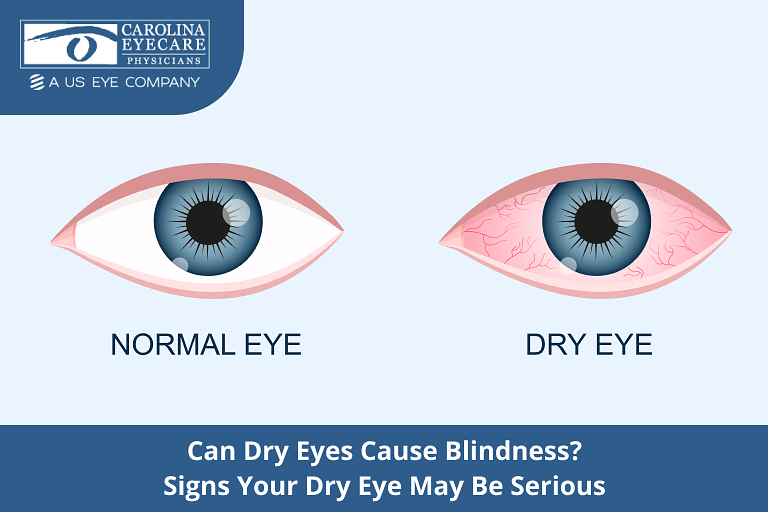
- Increasing redness. A red eye that stays red, especially with pain or light sensitivity, should be checked.
- Light sensitivity. Mild sensitivity can happen with dryness, but stronger photophobia may suggest significant inflammation on the eye’s surface.
- Heavy tearing. Paradoxically, severe dryness can make the eyes water a lot. These reflex tears do not coat the eye well, so comfort remains an issue.
- Stringy or thick discharge. This can happen when the tear film is badly imbalanced or when inflammation is building.
- Blurred vision that keeps returning. If vision drops and blinking only helps for a moment, the surface may be more compromised than simple mild dryness.
When to seek care
If symptoms are frequent, getting worse, or interfering with daily life, it is time for an exam. Dry eye is easier to manage before the surface of the eye becomes more inflamed. An eye doctor can determine whether the problem is reduced tear production, poor tear quality, gland blockage, eyelid inflammation, contact lens issues, or something else altogether.
That matters because treatment should match the cause. Artificial tears help many people, but they are not the whole answer in every case. Some patients need prescription drops to reduce inflammation. Others need treatment for blocked oil glands. Punctal plugs, warm compresses, lid hygiene, or in-office therapies may also help depending on the source of the problem.
Preventive measures and daily management: what you can do now
A few habits can help reduce irritation and keep mild dryness from becoming more disruptive.
- Use preservative-free artificial tears if symptoms are frequent or recur throughout the day.
- Take regular screen breaks and make a point to blink fully, especially during long periods of reading or device use.
- Keep air from fans, vents, and car blowers from hitting your eyes directly.
- Use a humidifier if indoor air feels dry, especially during colder months or in air-conditioned spaces.
- Practice good eyelid hygiene if oil gland blockage or lid inflammation is part of the problem.
- Use warm compresses if your doctor recommends them to help improve oil flow from the eyelid glands.
- Adjust contact lens wear if lenses are causing symptoms. Some patients do better with different materials, shorter wear times, or a temporary break from lenses.
- Stay consistent with follow-up care if you have chronic dry eye, blepharitis, meibomian gland dysfunction, or another underlying cause.
These steps can improve comfort and help protect the surface of the eye, but are not a substitute for an exam when symptoms are frequent, worsening, or affecting vision.
A more personalized next step
Dry eye is common, but that does not mean it should be ignored. Most cases do not lead to significant vision loss, but severe dry eye can damage the cornea if left untreated for too long. The earlier the cause is identified, the easier it usually is to protect the surface of the eye and restore comfort.
If your eyes are burning, watering, or going blurry more often than they should, schedule an evaluation with Carolina Eyecare. A proper exam can show whether your dry eye is mild, whether the tear film is unstable, and what treatment makes the most sense for your eyes.
FAQs
Can dry eye be a chronic condition?
Yes. For many people, dry eye is an ongoing condition that needs long-term management rather than a one-time fix.
Can dry eye be linked to other health problems?
Yes. Dry eye can be associated with autoimmune disease, hormonal changes, eyelid inflammation, and certain medications.
Do artificial tears cure dry eye?
No. Artificial tears can improve comfort, but they do not fix every underlying cause of dry eye.
Can contact lenses make dry eye worse?
Yes. Contact lenses can worsen dryness in some patients, especially with long wear time or poor tear quality.
How do I know if I need urgent care instead of a routine appointment?
If you have severe pain, sudden vision loss, marked light sensitivity, or significant redness that is getting worse, you should seek prompt evaluation.