Reviewed By: Denise Carter, OD
Glaucoma is a worldwide health crisis that leads to vision loss and blindness if not detected and treated early, accounting for about 6.7 million blind people. According to the Glaucoma Research Foundation, over 3 million Americans have glaucoma, but only half of them know they have it. With these statistics, it’s safe to say that this is a serious condition on track to rise in the future. It’s therefore critical to understand the significance of early detection of glaucoma and how to identify glaucoma symptoms before they develop.
Table of Contents
What is Glaucoma?
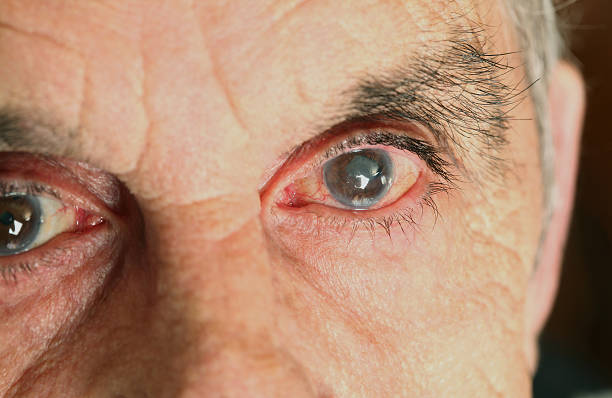
Glaucoma is a group of eye diseases that affect the eye’s optic nerve, which is responsible for transferring visual information from the eye to the brain. When damaged, it is typically caused by intraocular pressure but can still occur without it. If left without proper glaucoma treatment, it can lead to irreversible vision loss and blindness.
Types of Glaucoma
There are two main types of glaucoma: open-angle glaucoma, which has many variants and is a long-term, chronic condition, and angle-closure glaucoma, which can be a sudden, acute problem or chronic illness. Open-angle glaucoma is the most common form and is often experienced without noticeable symptoms of glaucoma until vision loss occurs. Angle closure is the opposite because it makes its appearance known with severe eye pain, nausea, and vomiting.
Why Early Detection is Important
Identifying glaucoma symptoms and proper treatment is vital in preserving your vision before it’s too late. When you begin glaucoma treatment immediately, you can control the severity of the effects through medications and surgery. The longer you wait, the worse your vision will be.
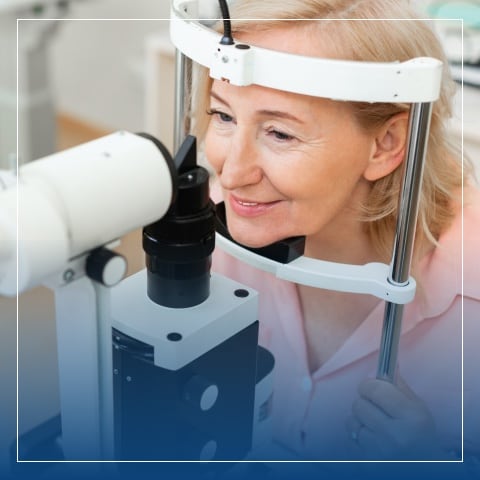
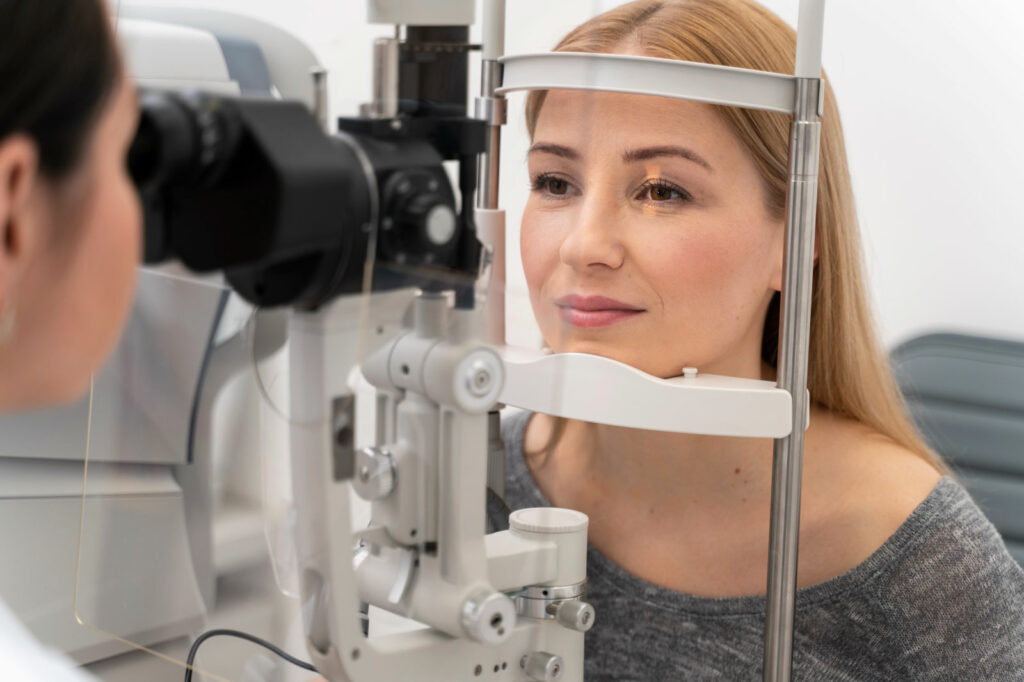
Though glaucoma is normally seen in older people who have had more time for the condition to develop, anyone can be diagnosed with glaucoma. There are zero visible symptoms of glaucoma in very early-stage glaucoma eyes, whether open-angle or angle-closure. Regular glaucoma eye exams, including comprehensive dilated eye exams, are the best form of early detection of glaucoma to combat any indications of glaucoma’s progression. So, how is glaucoma detected effectively? Through these exams, your glaucoma specialist will measure your eye pressure, examine your optic nerve health, and test your visual field. During the exam, your glaucoma specialist will measure your eye pressure, examine your optic nerve health, and test your visual field.
The American Academy of Ophthalmology recommends that adults with no symptoms of risk for eye disease participate in a dilated eye exam every two years until age 65. After age 65, they recommend annual exams because older people are at higher risk. Glaucoma can also be a genetic condition. If you or someone you know has a family history of glaucoma or is of African American or Hispanic descent, your glaucoma specialist may encourage more frequent glaucoma eye exams.
Treatment Options
Glaucoma treatment varies depending on the type and severity of each case. Let’s break down some of the best avenues proven to produce results.
Medication
Glaucoma medications work by lowering the pressure inside the eye to reduce damage to the optic nerve. Intraocular pressure can be reduced by draining or lowering the aqueous humor through medication. Your glaucoma specialist can prescribe any of these popular medications:
- Prostaglandin analogs
- Beta-blockers
- Alpha agonists
- Carbonic anhydrase inhibitors
- Rho kinase inhibitors
Surgery
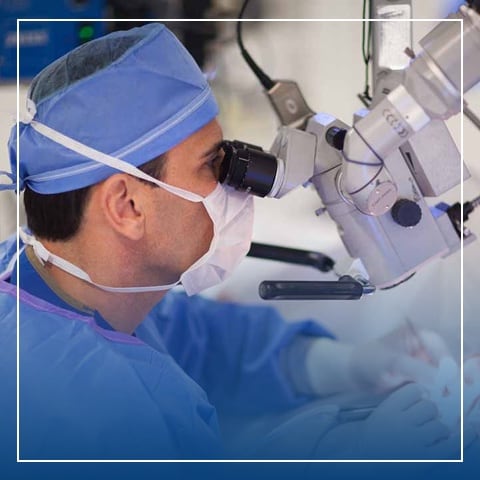
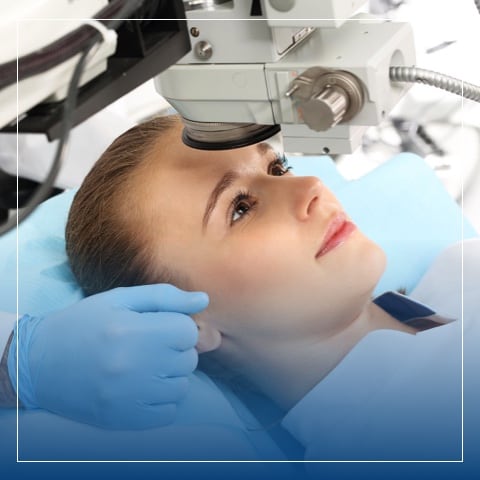
Once glaucoma has reached a certain severity, surgery may be the only option. But not all surgeries can benefit the patient—that’s why having your eyes examined by an ophthalmologist is critical to find what’s right for you. A common procedure includes glaucoma laser surgery, which clears the drainage from the eye and creates a small hole in the iris to relieve eye pressure. A trabeculectomy is another common surgery that involves creating a new drainage channel in the eye.
Most common glaucoma surgeries:
- Trabeculectomy
- Glaucoma drainage implants
- Canaloplasty
- Laser trabeculoplasty
- Cyclophotocoagulation
- Microinvasive glaucoma surgery (MIGS)
Therapy
Peripheral iridotomy is a type of glaucoma treatment therapy commonly recommended for closed-angle glaucoma to prevent an attack. It supports the flow of aqueous humor from the posterior to the anterior chamber and helps with drainage.
Nutrition
Your diet cannot prevent glaucoma on its own. However, a healthy diet can slow the progression of glaucoma as it forms. Of course, talk to a nutritionist before curating your desired diet for optimal eye health. These are the main nutrients that will boost your eye performance:
- Antioxidants: Found in Vitamin C and E-rich foods like fruits and vegetables, nuts, and whole grains.
- Omega-3 fatty acids: Found in fish like salmon and tuna, as well as in flaxseeds and walnuts.
- Vitamin A: Found in carrots, sweet potatoes, and dark leafy greens.
- Low glycemic index foods: Food low in refined carbohydrates and sugar like yogurt, broccoli, mushrooms, and whole grains.
Consult a Glaucoma Specialist
When confronted with glaucoma, many patients wonder, Is glaucoma curable, as navigating detection and treatment can be complicated. Seeking an ophthalmologist guarantees an accurate diagnosis, expertise in surgery and treatment, specialized technology, and tailored care.
At Carolina Eyecare Physicians, we protect your vision so you can lead a more fulfilling, relaxing life. Read our frequently asked questions on glaucoma or book an appointment with our South Carolina professionals to take the reins on your eye health.