Reviewed By: Dr. Peter B. Knowlton, MD
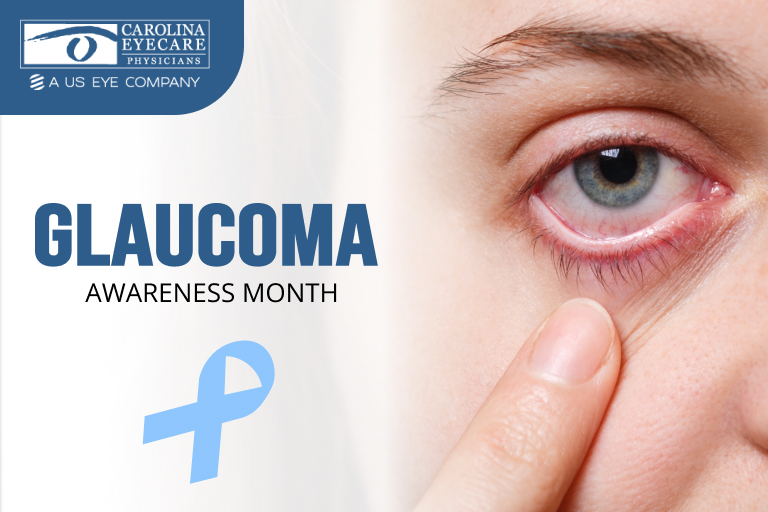
Glaucoma is a condition that often goes unnoticed until significant damage has already occurred, earning it the unsettling nickname “silent thief of sight.” By the time vision loss becomes apparent, irreversible damage has already occurred. This January, as we observe Glaucoma Awareness Month, it’s the perfect opportunity to raise awareness about glaucoma symptoms and this serious eye condition. Understanding glaucoma, its risk factors, and the importance of early detection can help protect your vision and that of your loved ones.
If you’ve ever thought of how to safeguard your eyesight or help others preserve theirs, this guide will provide the clarity you need.
Table of Contents
Understanding Glaucoma: The Basics
Glaucoma refers to a group of eye diseases that damage the optic nerve, the essential link between your eyes and brain. The damage, often caused by elevated intraocular pressure (IOP), is irreversible and progressive. Left untreated, glaucoma can lead to blindness.
Common Types of Glaucoma:
- Primary Open-Angle Glaucoma (POAG): The most common type, characterized by slow, painless progression. Most people don’t notice any symptoms until significant vision loss occurs.
- Angle-Closure Glaucoma: This type is less common but far more severe. It can cause sudden, painful symptoms and requires immediate medical attention.
- Normal-Tension Glaucoma: Even without elevated IOP, optic nerve damage can still occur due to factors like reduced blood flow or increased sensitivity of the nerve.
Without timely treatment, all types of glaucoma can lead to blindness. Early detection through glaucoma eye exams can help identify these conditions before significant damage occurs.
Why Early Detection Matters
The scariest thing about glaucoma is its stealthy progression. More than half of the people with glaucoma don’t even know they have it. Once the optic nerve is damaged, there’s no way to reverse it. However, the importance of early detection of glaucoma can help to slow or stop its progression, preserving your vision.
Eye-Opening Statistics
- Over 3 million Americans live with glaucoma, and that number is expected to rise.
- 50% of people with glaucoma in the U.S. don’t know they have it.
- African Americans are 6-8 times more likely to develop glaucoma compared to Caucasians.
- Vision loss from glaucoma is irreversible, but up to 90% of cases can be managed effectively with timely intervention.
These numbers highlight the importance of regular glaucoma eye exams and awareness campaigns, especially during Glaucoma Awareness Month.
Who’s at Risk?
Glaucoma can affect anyone, but certain factors increase the likelihood:
- Age: Risk increases after 40, with a significant jump after 60.
- Family History: If a close relative has glaucoma, your risk increases significantly.
- Ethnicity: African Americans, Hispanics, and Asians are at higher risk.
- Medical Conditions: Diabetes, hypertension, and sleep apnea are linked to glaucoma.
- Past Eye Injuries or Corticosteroid Use: Both can contribute to elevated IOP and optic nerve damage.
If you fall into any of these categories, it’s crucial to schedule regular glaucoma eye exams. If you are unsure what glaucoma looks like do read our guide on it.
What Happens During a Comprehensive Eye Exam?
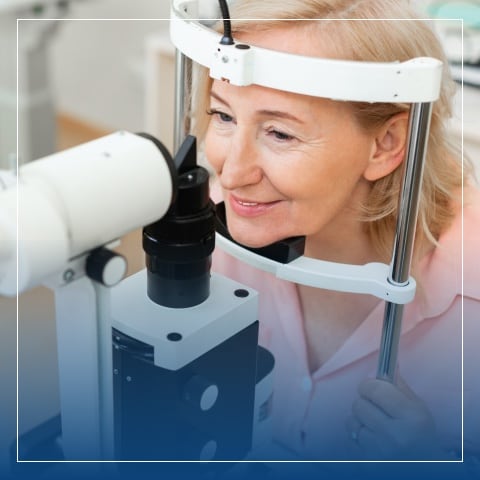
Regular eye exams are the cornerstone of glaucoma prevention. These checkups are painless, quick, and can make all the difference. During a glaucoma eye exam, the following tests are typically performed:
- Tonometry: Measures intraocular pressure to identify early signs of elevated IOP.
- Ophthalmoscopy: Examines the optic nerve for damage.
- Visual Field Test: Detects peripheral vision loss, one of the first signs of glaucoma.
- Gonioscopy: Checks the drainage angle of the eye for blockages.
At Carolina Eyecare Physicians, specialists like Dr. Paul Herring, known for his expertise in advanced glaucoma treatment and laser treatment for glaucoma, use cutting-edge diagnostic tools to ensure no detail is overlooked. His dedication to personalized care helps patients detect glaucoma early and get the best treatment options for early-stage glaucoma to manage it effectively.
Managing Glaucoma: Prevention and Treatment
While there’s no cure for glaucoma, it’s highly manageable when detected early. Here are some actionable steps to reduce your risk and slow its progression.
Preventive Steps:
- Get Regular Eye Exams: Annual glaucoma eye exams are essential if you’re over 40 or have risk factors.
- Adopt a Healthy Lifestyle:
- Exercise regularly to reduce eye pressure.
- Eat foods rich in antioxidants and omega-3 fatty acids.
- Avoid smoking, which reduces oxygen flow to the optic nerve.
- Protect Your Eyes: Wear protective eyewear to avoid injuries that could elevate your risk.
Treatment Options:
If diagnosed, glaucoma treatment focuses on slowing disease progression and preserving vision:
- Medications: Eye drops that reduce IOP are often the first line of treatment.
- Laser Therapy: Procedures like glaucoma laser surgery improve fluid drainage in the eye.
- Surgery: In advanced cases, options like trabeculectomy or minimally invasive laser treatment for glaucoma may be recommended.
Do check all the available glaucoma treatment options to choose the best one.
Living With Glaucoma
A diagnosis of glaucoma doesn’t mean life has to change dramatically. With proper glaucoma treatment and regular follow-ups, you can maintain good vision for years. Specialists like Dr. Robert Reuther at Carolina Eyecare Physicians are committed to offering cutting-edge treatments, including laser treatment for glaucoma, ensuring every patient receives the care they need to preserve their vision.
Glaucoma Awareness Month: Taking Action
January serves as a vital reminder to prioritize eye health. Many people delay eye exams, assuming their vision is fine—but glaucoma doesn’t wait. Glaucoma Awareness Month encourages everyone to take proactive steps to protect their sight.
If it’s been a while since your last eye exam, now is the time to schedule one. Early detection is the best way to prevent glaucoma-related vision loss. Encourage your friends and family to do the same.
Final Thoughts
Glaucoma is a lifelong condition, but with early detection and proper care, it doesn’t have to lead to blindness. During Glaucoma Awareness Month, make a commitment to prioritize your eye health. Regular glaucoma eye exams, a healthy lifestyle, and proactive management can preserve your vision for years to come.
At Carolina Eyecare Physicians, our dedicated team spread across 15 locations in South Carolina is there to guide you every step of the way. Whether it’s routine checkups, advanced glaucoma laser surgery, or personalized glaucoma treatment, we’re committed to helping you maintain your best vision. Don’t wait — schedule an appointment with experts for a comprehensive eye exam today.