Reviewed By: Kerry D. Solomon, MD
When deciding between LASIK treatment and contact lenses for vision correction, there are several key factors to consider. In the quest for a clear vision, one must weigh the pros and cons of LASIK, long-term effects, and lifestyle changes each option brings. This decision-making process can be overwhelming, but as eye care specialists at Carolina Eyecare, we are here to provide insight and guide you through every step. We aim to help you make an informed choice that best suits your needs, lifestyle, and long-term vision health. Whether you choose contact lenses or undergo LASIK treatment, Carolina Eyecare Physicians is committed to delivering excellence in eye care.
Table of Contents
Understanding Vision Correction
Before diving into the specifics, it’s important to understand what vision correction entails. The human eye functions much like a camera. Light enters the eye through the cornea, passes through the pupil (the opening in the middle of the iris), and then through the lens, which focuses the light onto the retina at the back of the eye. The retina transforms the light into electrical signals that travel through the optic nerve to the brain, which interprets these signals into the images we see.
However, common vision problems can disrupt this process. These issues, often caused by the eyeball’s shape, the lens’s condition, or the eyeball’s length, include myopia, hyperopia, and astigmatism. Myopia or nearsightedness occurs when the eyeball is too long, or the cornea is too curved, causing light to focus in front of the retina and making distant objects appear blurry. On the other hand, hyperopia or farsightedness happens when the eyeball is too short or the cornea is too flat, resulting in light focusing behind the retina and making close objects appear blurry. Lastly, astigmatism is caused by an irregularly shaped cornea or lens, leading to multiple focus points, which can distort vision at all distances. Both laser treatment for eyes and contact lenses correct these refractive errors by altering how light enters the eye, allowing it to focus on the retina properly and enabling clear vision.
Contact Lenses: Pros and Cons
How Contact Lenses Work
Contact lenses float on the tear film layer of the cornea, refracting incoming light onto the retina and aiding in the correction of refractive errors.
Benefits of Contact Lenses
- Unobstructed peripheral vision
- No fogging in cold weather
- Ability to wear without affecting your appearance
- Compatibility with virtually all types of clothing and accessories
- Excellent choice for athletes and those who live active lifestyles
Limitations of Contact Lenses
- Require daily care and cleaning, which can be time-consuming
- Risk of infection from improper cleaning or overuse
- Some people may find them uncomfortable or difficult to insert and remove
- Frequent replacements are needed, which can add up in cost over time
LASIK Treatment: Pros and Cons
How LASIK Works
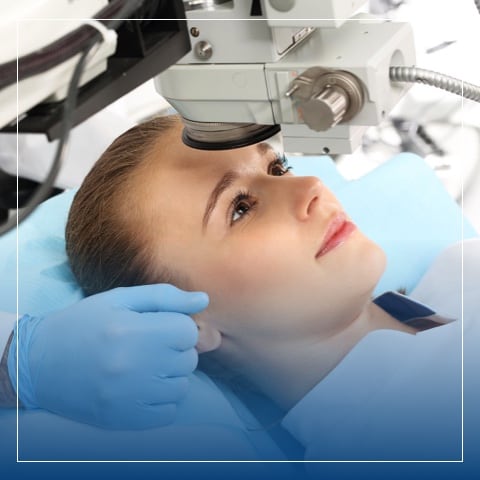
LASIK, or Laser-Assisted In Situ Keratomileusis, is a type of refractive surgery that uses a specialized laser to reshape the cornea, correct refractive errors, and enhance vision. In some cases, patients may still require a contact lens after LASIK for minor adjustments or specific vision needs. The LASIK vision correction procedure is typically quick, often completed within 20 minutes, and many patients report improved vision immediately or within 24 hours.
Benefits of LASIK Treatment
- Immediate or near-immediate improvement in vision
- Long-term savings due to no ongoing costs for lenses or glasses
- Independence from corrective lenses for the majority of patients
- Quick recovery time
- Potential to correct a higher degree of nearsightedness, farsightedness, and astigmatism compared to contact lenses
Limitations of LASIK Treatment
- Potential for temporary side effects, such as dry eyes or night glare
- Not suitable for individuals with certain eye conditions or health issues
- Risks associated with any surgical procedure, including infection or inflammation
- Correction may not be permanent for everyone, especially those with severe myopia or those who experience changes in their vision as they age
Comparative Analysis: LASIK vs. Contact Lenses
Choosing between LASIK treatment and contact lenses involves an evaluation of several factors.
When it comes to cost, it’s essential to consider the long-term perspective. Considering the recurrent expenses of contact lenses, including the cost of the lenses, cleaning solutions, and frequent eye exams, LASIK may be a more economical choice over an extended period.
In terms of maintenance and lifestyle, LASIK outshines contact lenses. Contact lenses command a daily regimen of care and cleaning. In contrast, LASIK is a one-time procedure with minimal postoperative maintenance. This makes LASIK an attractive option for those leading active lifestyles or people who find the daily routine of contact lenses tedious.
For someone who is not a LASIK candidate or is uncomfortable with the surgical alternative to vision correction, contact lenses are a common solution and can be safely used long-term. Additionally, for patients who may not have a severe visual impairment, contact lenses may be a convenient alternative to glasses that they choose to use at their discretion.
Clinically, both LASIK and contact lenses are proven safe and efficient for vision correction. However, as pointed out by the AAO, studies suggest that LASIK may provide superior correction for severe refractive errors compared to contact lenses. It’s crucial to remember that everyone’s eyes are unique, and the best choice depends on your specific vision needs, lifestyle, and overall health.
Book Your Appointment Today
Taking the first step towards better vision is as easy as scheduling an appointment with the experts at Carolina Eyecare. Our dedicated team of eye surgery specialists is ready to guide you through your vision correction journey, providing personalized care and expertise every step of the way. Don’t wait to experience clearer, sharper vision. Contact Carolina Eyecare to book your LASIK consultation or see a specialist for Contact Lenses. Your journey towards a better vision starts here.
**The information provided in this blog on LASIK treatment and contact lenses is for general informational purposes only. Remember to seek advice from a qualified eye care professional with any questions you may have regarding your specific medical condition or treatment options.**