Reviewed By: Peter B. Knowlton, MD
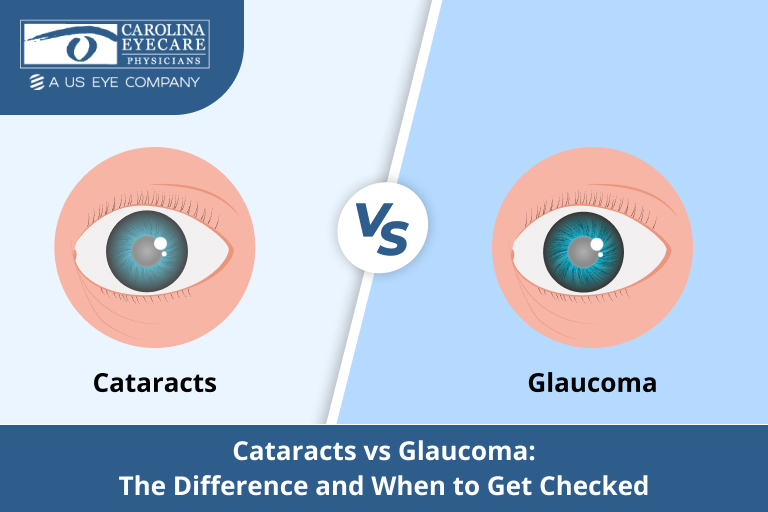
If you’ve recently been diagnosed with glaucoma, you’ve probably asked yourself, “What treatments are available for my condition?” Understandably, a diagnosis of glaucoma—a progressive eye disease that can lead to blindness if untreated—can be a lot to take in. However, patients must recognize that it’s possible to successfully manage glaucoma with early detection and treatment.
Many people with glaucoma don’t exhibit obvious signs, making regular eye check-ups critical. This blog will outline the different glaucoma treatment options to help lower intraocular pressure and slow progression from this “silent thief of sight,” including the best treatment for glaucoma for your specific needs.
Table of Contents
Possible Glaucoma Symptoms by Type
Open-Angle Glaucoma
- Typically, there are no warning signs or obvious symptoms in the early stages.
- As the disease progresses, blind spots develop in your peripheral (side) vision.
Angle-Closure Glaucoma
- Though rare, early symptoms of an attack may include blurred vision, halos, mild headaches, or eye pain.
- Severe attacks can cause severe pain in the eye or forehead, redness of the eye, decreased or blurred vision, rainbows or halos, headache, nausea, and vomiting.
Normal-Tension Glaucoma
- Despite having eye pressure within normal ranges, people with normal tension glaucoma may show signs of glaucoma, such as blind spots in their field of vision and optic nerve damage.
Pigment Dispersion Syndrome and Pigmentary Glaucoma
5 Common Glaucoma Treatments
1. Medication
Designed to handle high intraocular pressure (IOP)—a large risk factor for glaucoma—medication like prescription eye drops function by either reducing fluid buildup in the eye or aiding its drainage. Unfortunately, more than half of people with glaucoma skip or improperly use medications. Since the success of eye drops depends on proper usage, patients must follow the doctor’s instructions. If you take other medications, always inform your eye care professional because other drugs may interfere with glaucoma eye drop medications.
Also, oral medications modify the circulation of eye fluid and lower eye pressure by reducing fluid production within the eye or boosting its flow through the drainage angle. Your doctor can recommend a variety of eye drops and oral medications to control your glaucoma, often used in conjunction, based on your specific needs of treatment for glaucoma. Regular intake, as per the prescribed schedule, is vital for these medicines to function as they should.
2. Selective Laser Trabeculoplasty (SLT)
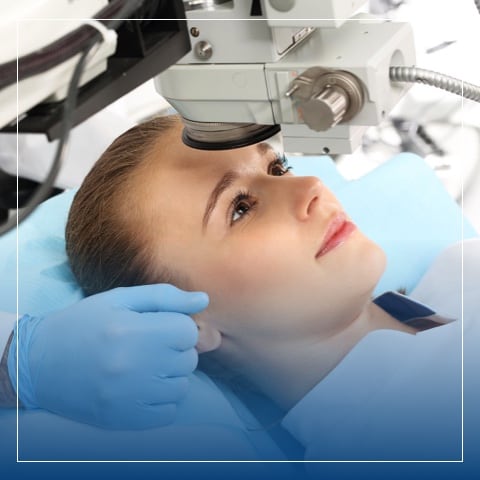
Selective Laser Trabeculoplasty (SLT) is a commonly used glaucoma laser surgery for managing the condition, particularly open-angle glaucoma, and is often considered an effective eye glaucoma treatment for many patients.. The procedure involves directing a laser through a special lens onto the eye’s drainage system, stimulating a biochemical change to help fluid drain more efficiently.
Following the SLT procedure, patients usually have follow-ups with their glaucoma specialist to monitor eye pressure changes and ensure everything is progressing well. While some patients may continue taking medications during SLT, others may need additional sessions of the procedure as its effect can diminish over time.
3. Minimally-Invasive Glaucoma Surgery
Minimally-invasive glaucoma surgery (MIGS) is an innovative glaucoma treatment option that has revolutionized glaucoma management. This procedure involves the placement of a tiny stent within the eye to optimize fluid drainage and lower eye pressure, ideal for patients seeking alternatives to prescription medication use. MIGS is increasingly becoming the preferred choice for eye care professionals and their patients with mild-to-moderate glaucoma because it is widely known to be highly effective, safe, and have quick recovery times.
4. Trabeculectomy
Trabeculectomy is a surgical glaucoma treatment designed to create a new channel for fluid drainage within the eye and reduce intraocular pressure. This procedure is often chosen when other treatments, like medications and laser surgeries, have not provided acceptable results, offering long-term pressure control that can slow glaucoma progression.
5. Tube Implants
Tube implants, typically made of silicone, are surgically inserted into the eye to facilitate fluid drainage and regulate eye pressure. They serve as an artificial drainage pathway, bypassing the eye’s natural drainage system that might be impaired by glaucoma. This glaucoma treatment is suggested to patients when other options like medication and laser surgery have not been effective.
Consult a Glaucoma Specialist
Glaucoma doesn’t have to be a cause for alarm; early detection and appropriate treatment for glaucoma can help. If you or someone you care about has been diagnosed with glaucoma, remember that proper medical care through glaucoma eye exams is key. With an experienced ophthalmologist, you can draft a comprehensive plan to manage your glaucoma safely and correctly with the right glaucoma eye treatment, ensuring the most suitable glaucoma eye treatment is implemented.
For more information, contact the physicians at Carolina Eyecare Physicians to schedule an appointment.
**The information provided in this blog on glaucoma symptoms and treatment is for general informational purposes only. Remember to seek advice from a qualified eye care professionalwith any questions you may have regarding your specific medical condition or treatment options.**