
Dry Eye Relief
Dry eye can cause multiple uncomfortable symptoms, including gritty, scratchy, and burning eyes. Chronic dry eye can even cause blurry vision, light sensitivity, and cornea damage.
For some people, the stinging, burning and redness may seem like little more than a nuisance. But, if left untreated, dry eye syndrome can lead to serious eye problems, including blindness. Dry eyes are inflamed eyes. Inflammation of the front surface of the eye increases the risk of infection and can also lead to scarring. Once scarring occurs, permanent loss of sight can occur.
Book an appointment with a dry eye specialist at Carolina Eyecare Physicians for your personalized plan for dry eye therapy relief.
What is Dry Eye Disease?
Dry eye disease is a chronic lack of sufficient lubrication and moisture in the eye. Our eyes need tears to stay healthy and comfortable. If your eyes do not produce enough tears, it is called dry eye.
Dry eye is also when your eyes do not make the right type of tears or tear film.
Symptoms of Dry Eye
Here are some of the symptoms of dry eye:
- You feel like your eyes are stinging and burning
- There is a scratchy or gritty feeling like something is in your eye
- There are strings of mucus in or around your eyes
- Your eyes are red or irritated. This is especially true when you are in the wind or near cigarette smoke
- It is painful to wear contact lenses
- You have lots of tears in your eyes
What Causes Dry Eye?
Dry eye disease can be caused by a variety of factors, including:
- Certain diseases, such as rheumatoid arthritis, Sjögren’s syndrome, thyroid disease, and lupus
- Blepharitis (when eyelids are swollen or red)
- Entropion (when eyelids turn in) or ectropion (eyelids turn outward)
- Being in smoke, wind or a very dry climate
- Looking at a computer for a long time
- Using contact lenses for a long time
- Having refractive eye surgery, such as LASIK
- Taking certain medicines, such as diuretics, beta-blockers, allergy medicines, sleeping pills, & anxiety medicines

Healthy Tears
While tears can help you express feelings of sadness or joy, the tear film is meant to protect and nourish the eye’s surface. The tear film has 3 layers:
- The oily layer (outer layer) keeps the eye surface smooth and prevents tears from evaporating too quickly. The oil (or meibum) is produced by the meibomian glands.
- The watery layer washes away debris and particles, keeping the eye clean and hydrated. The watery middle layer is produced by the lacrimal glands.
- The mucus layer (inner layer) helps tears spread across the eye and stick to the surface. Mucus is produced by goblet cells in the conjunctiva.
Dry eye occurs when the eye can’t effectively produce one or more of these components. Medical conditions, medications, environmental conditions, nutrition, and a number of other factors can interfere with tear production and drainage.
Dry Eye Treatment
Artificial Tears
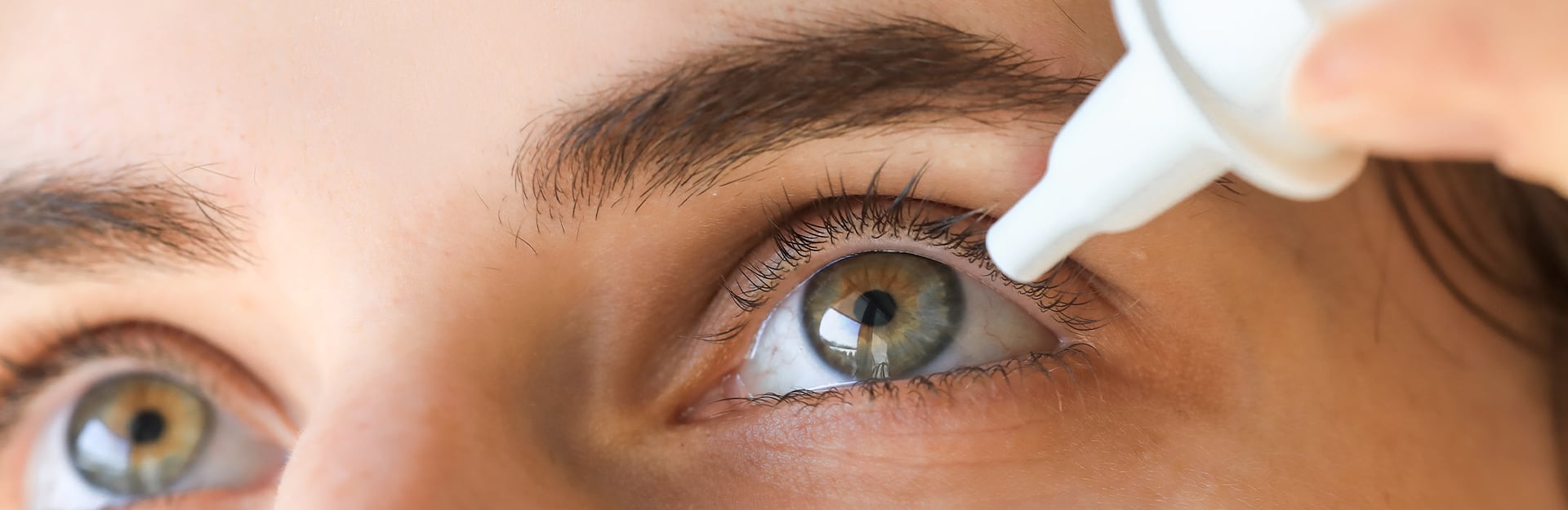
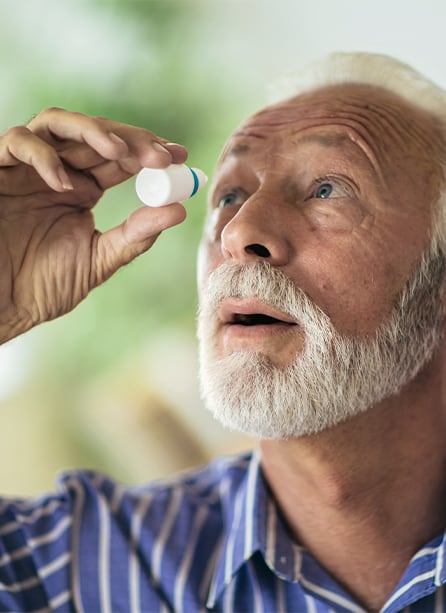
Artificial tears (eye drops) add lubrication to the eye’s surface. Generally, preservative-free eye drops are recommended for long-term use, as preservatives can cause eye irritation. However, patients with severe dry eye may need additional treatment to reduce symptoms.
Punctal Plugs
Punctal plugs are tiny devices (about the size of a grain of rice) that are inserted into the tear ducts (puncta) to block drainage. By preventing tears from draining, it can improve eye moisture and reduce eye discomfort.
There are 2 types of punctal plugs: temporary and semi-permanent.
Temporary or dissolving plugs are naturally absorbed by the body, breaking down within a few days or months. In some cases, a temporary punctal plug may be recommended to test the method before trying semi-permanent plugs.
Semi-permanent plugs are typically made of medical-grade plastic and are designed to last for years. However, they can be removed if necessary.Most patients can return to normal activities immediately after the insertion procedure. Some patients may notice a scratchy or irritated feeling in the corner of their eye. However, patients typically find the feeling fades with time.
iLux Treatment
iLux treatment helps warm and compress your eyelids, gently releasing blocked or plugged oil in the meibomian glands. After assessing the appropriate treatment zone, your doctor will place the iLux device and begin your procedure. The warm compression pads help painlessly express oil in under 15 minutes.
Preventing Dry Eye Disease
Our doctors can give you tips to prevent dry eye disease. Some of these tips may include:
- Avoid using a hair dryer, if possible
- Stay away from very warm rooms
- Add moisture to the air with a humidifier during the winter
- Protect your eyes from drying wind by wearing wrap-around glasses outside
- Add omega-3 fatty acids to your diet
Contact Us for Dry Eye Therapy
You don’t need to suffer from dry eye. After assessing your eyes and discussing your symptoms, your eye doctor can develop a personalized treatment plan. Contact us at Carolina Eyecare Physicians for dry eye relief.
Frequently Asked Questions
What exactly is “dry eye therapy,” and how can it help me?
Dry eye therapy refers to a range of treatments and care strategies designed to relieve the discomfort caused by insufficient or poor-quality tears. By restoring hydration and balance to your eyes’ tear film, it helps reduce irritation, redness, itching, or the gritty sensation many people associate with dryness, letting you feel comfortable again.
When should I see a dry eye specialist rather than just using over-the-counter drops?
If your symptoms persist despite using lubricating eye drops (or seem to worsen), it’s wise to consult a dry eye specialist. They can perform a full evaluation, including tear quality, gland function, and potential underlying causes, and recommend a personalized dry eye treatment plan beyond plain drops.
Are there safe and effective dry eye natural remedies I can try at home?
Yes, while nothing replaces a professional assessment, certain simple dry eye natural remedies may offer relief. For example, gently cleaning your eyelids, using warm compresses, limiting screen time, staying well-hydrated, or adjusting your environment (humidity, airflow) can all help support tear health and reduce dryness.
What kinds of dry eye treatment options are available beyond basic eye drops?
Beyond artificial tears, treatment may include options like punctal plugs (to conserve your natural tears), thermal or heat-based gland therapies (to clear blockages in oil glands), eyelid hygiene and massage, or even light-based in-office therapies. A qualified dry eye specialist can guide you to the best fit based on your condition.
Is dry eye therapy a one-time fix or will I need ongoing care?
Often, dry eye therapy isn’t a one-time fix. Since dry eye disease can result from multiple factors (tear production issues, gland blockages, environmental triggers, etc.), many patients benefit from a long-term management plan combining home practices, occasional in-office treatments, and regular follow-ups with a dry eye specialist to keep symptoms under control.
Locations
We have several convenient locations throughout South Carolina. Please view the nearest location to you or get directions below.
Our Services
News
Best Contact Lens For Astigmatism: How to Choose the Right Fit for Clear Vision
otherReviewed By: Dr. Vanderah If you have astigmatism, you know the frustration of blurry or distorted vision. Maybe you’ve squinted through a presentation, struggled to read street signs at night, or felt your eyes tire after an hour at your desk. The good news is that modern contact lenses for astigmatism can effectively correct the […]
Read More… from Best Contact Lens For Astigmatism: How to Choose the Right Fit for Clear Vision
Cataracts vs Glaucoma: The Difference and When to Get Checked
Cataracts, Glaucoma, UncategorizedReviewed By: Dr. Miliken Vision changes rarely announce themselves in a single dramatic moment. More often, it starts as a slight friction that builds. Headlights feel harsher at night. Print looks slightly softer. One eye seems to “do more work” than the other. Two of the most common causes of those shifts are cataracts and […]
Read More… from Cataracts vs Glaucoma: The Difference and When to Get Checked
Can You Get Laser Eye Surgery After Cataract Surgery? What Patients Should Know
Cataract Surgery, UncategorizedReviewed By: Dr. Reuther Many people see a big improvement after cataract surgery, then notice a change later. Sometimes vision gets hazy again months or years down the line. In other cases, the vision is clearer than before, but glasses still help with certain tasks. Depending on the cause, a laser procedure after cataract surgery […]
Read More… from Can You Get Laser Eye Surgery After Cataract Surgery? What Patients Should Know
Best Contact Lens For Astigmatism: How to Choose the Right Fit for Clear Vision
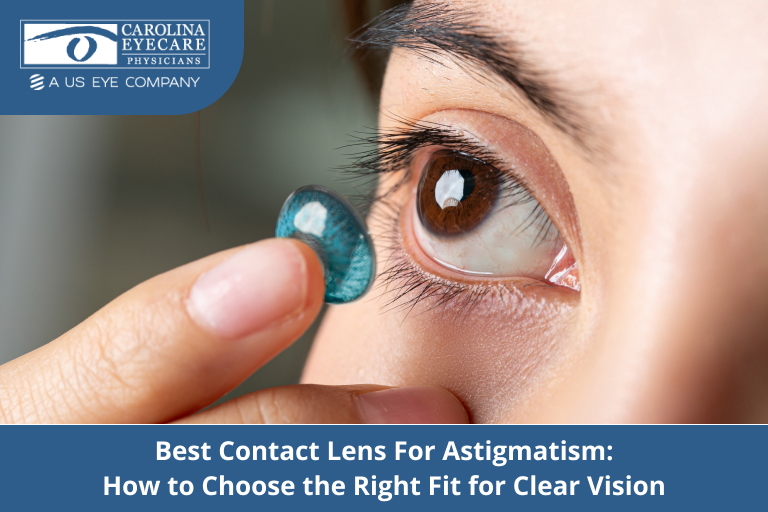
Reviewed By: Dr. Vanderah If you have astigmatism, you know the frustration of blurry or distorted vision. Maybe you’ve squinted through a presentation, struggled to read street signs at night, or felt your eyes tire after an hour at your desk. The good news is that modern contact lenses for astigmatism can effectively correct the […]
Read More… from Best Contact Lens For Astigmatism: How to Choose the Right Fit for Clear Vision
Cataracts vs Glaucoma: The Difference and When to Get Checked
Reviewed By: Dr. Miliken Vision changes rarely announce themselves in a single dramatic moment. More often, it starts as a slight friction that builds. Headlights feel harsher at night. Print looks slightly softer. One eye seems to “do more work” than the other. Two of the most common causes of those shifts are cataracts and […]
Read More… from Cataracts vs Glaucoma: The Difference and When to Get Checked
Can You Get Laser Eye Surgery After Cataract Surgery? What Patients Should Know

Reviewed By: Dr. Reuther Many people see a big improvement after cataract surgery, then notice a change later. Sometimes vision gets hazy again months or years down the line. In other cases, the vision is clearer than before, but glasses still help with certain tasks. Depending on the cause, a laser procedure after cataract surgery […]
Read More… from Can You Get Laser Eye Surgery After Cataract Surgery? What Patients Should Know


We are a proud partner of US Eye, a leading group of patient-centric, vertically integrated multi-specialty physician practices providing patients with care in ophthalmology, optometry, dermatology, audiology, and cosmetic facial surgery.