Information and Instructions
If you have any questions, comments, or concerns, please give us a call at (843) 842-2020.
About cataracts:
- The cloudy cataract has been replaced with a new clear lens. After surgery, your eye may feel scratchy, sticky, or uncomfortable. It may also water more than usual.
- It is normal for the vision to blurry. Most people see better 1 to 3 days after surgery. But it could take 3 to 10 weeks to get the full benefits of surgery and to see as clearly as possible.
- You were sent home with a clear shield to cover your eye. This will keep you from rubbing your eye. Remember to use your eyedrops exactly as directed to help your eye heal.
How can you care for yourself at home?
- Rest when you feel tired. Getting enough sleep will help you recover
- For the first week following the procedure: Avoid…
- Rubbing your eyes and any unnecessary hand-to-eye contact
- Getting shampoo or water in your eye
- Getting sweat in your eye
- Performing lawn work
- Engaging in strenuous activity
- Playing contact sports
- Lifting anything weighing more than 20 pounds
- Wearing makeup for 2 weeks
- Swimming for 2 weeks, or scuba diving for 1 month after the procedure
Eyedrops:
- After surgery, begin to follow the instructions on your eyedrop schedule
- Remember to wash your hands before you put your drops in
Notes about eye color:
- Your eye may be slightly red after the procedure, this will gradually clear during the first few days.
- You may also notice that your pupil (the black part of your eye) is different than the pupil of the other eye. This is normal. The pupil will slowly return to its normal size within two days after the procedure.
Follow-up care is a key part of your treatment and safety. Be sure to make and go to all appointments and call your doctor or nurse call line if you are having problems. Once again, if you have any questions, please give us a call at (843) 842-2020.
Sincerely,
The team at Carolina Eyecare Physicians
Locations
We have several convenient locations throughout South Carolina. Please view the nearest location to you or get directions below.
Our Services


News
Cataract Surgery Lens Options: Which IOL Is Right for You?
Cataract SurgeryReviewed By: Dr. Peter B. Knowlton Summary Cataract eye surgery replaces the eye’s cloudy natural lens with an artificial intraocular lens, or IOL. Available options include monofocal lenses, toric correction for astigmatism, multifocal or trifocal lenses, extended depth-of-focus lenses, and the Light Adjustable Lens. The right choice depends on your eye health, visual priorities, comfort […]
Read More… from Cataract Surgery Lens Options: Which IOL Is Right for You?
How Often Should Diabetics Get an Eye Exam? A Year-by-Year Guide
Diabetic Eye ExamsReviewed By: Susan DiSario, OD. Summary Most adults with diabetes need regular comprehensive dilated eye exams, but the starting point depends on the type of diabetes. Adults with Type 1 diabetes should generally have their first exam five years after diabetes begins. People with Type 2 diabetes should be examined at diagnosis. After the first […]
Read More… from How Often Should Diabetics Get an Eye Exam? A Year-by-Year Guide
Cornea Transplant Recovery: What to Expect Week by Week
cornea careReviewed By: Dr. Cole Miliken, MD Summary Cornea transplant recovery is gradual. Some patients notice improvement within weeks, while others need many months for vision to stabilize. The timeline depends on the type of transplant, the reason for surgery, your eye health, and how closely you follow your postoperative instructions. More than 47,000 corneal transplants […]
Read More… from Cornea Transplant Recovery: What to Expect Week by Week
Cataract Surgery Lens Options: Which IOL Is Right for You?
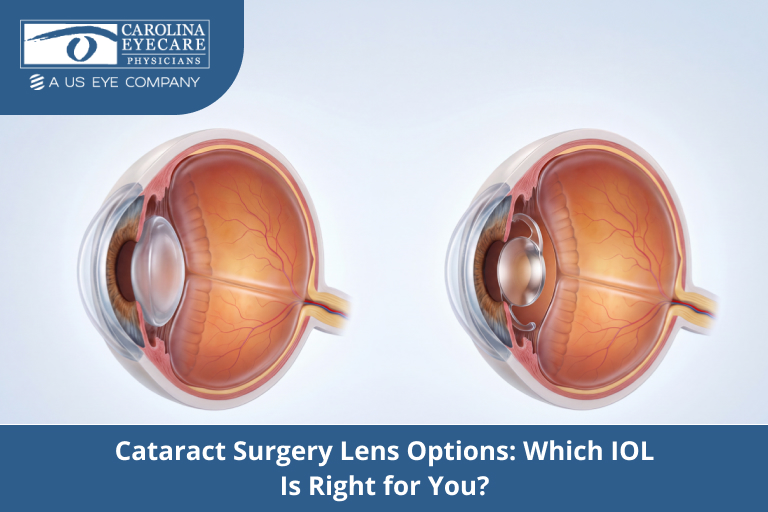
Reviewed By: Dr. Peter B. Knowlton Summary Cataract eye surgery replaces the eye’s cloudy natural lens with an artificial intraocular lens, or IOL. Available options include monofocal lenses, toric correction for astigmatism, multifocal or trifocal lenses, extended depth-of-focus lenses, and the Light Adjustable Lens. The right choice depends on your eye health, visual priorities, comfort […]
Read More… from Cataract Surgery Lens Options: Which IOL Is Right for You?
How Often Should Diabetics Get an Eye Exam? A Year-by-Year Guide

Reviewed By: Susan DiSario, OD. Summary Most adults with diabetes need regular comprehensive dilated eye exams, but the starting point depends on the type of diabetes. Adults with Type 1 diabetes should generally have their first exam five years after diabetes begins. People with Type 2 diabetes should be examined at diagnosis. After the first […]
Read More… from How Often Should Diabetics Get an Eye Exam? A Year-by-Year Guide
Cornea Transplant Recovery: What to Expect Week by Week
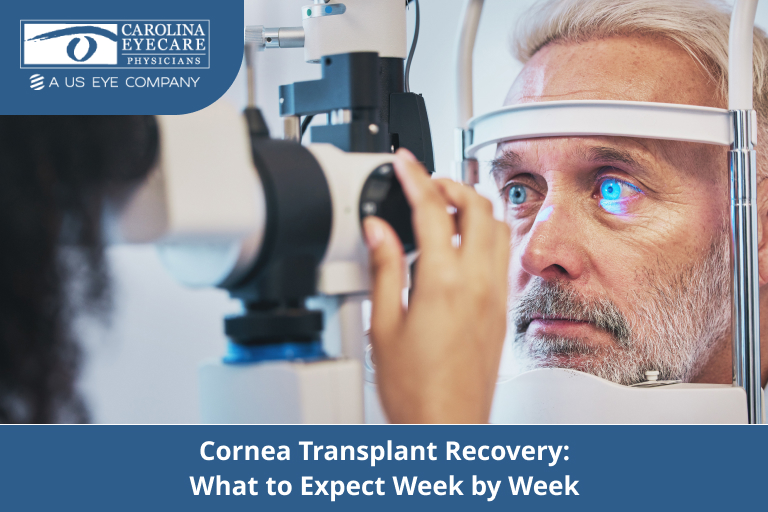
Reviewed By: Dr. Cole Miliken, MD Summary Cornea transplant recovery is gradual. Some patients notice improvement within weeks, while others need many months for vision to stabilize. The timeline depends on the type of transplant, the reason for surgery, your eye health, and how closely you follow your postoperative instructions. More than 47,000 corneal transplants […]
Read More… from Cornea Transplant Recovery: What to Expect Week by Week


We are a proud partner of US Eye, a leading group of patient-centric, vertically integrated multi-specialty physician practices providing patients with care in ophthalmology, optometry, dermatology, audiology, and cosmetic facial surgery.